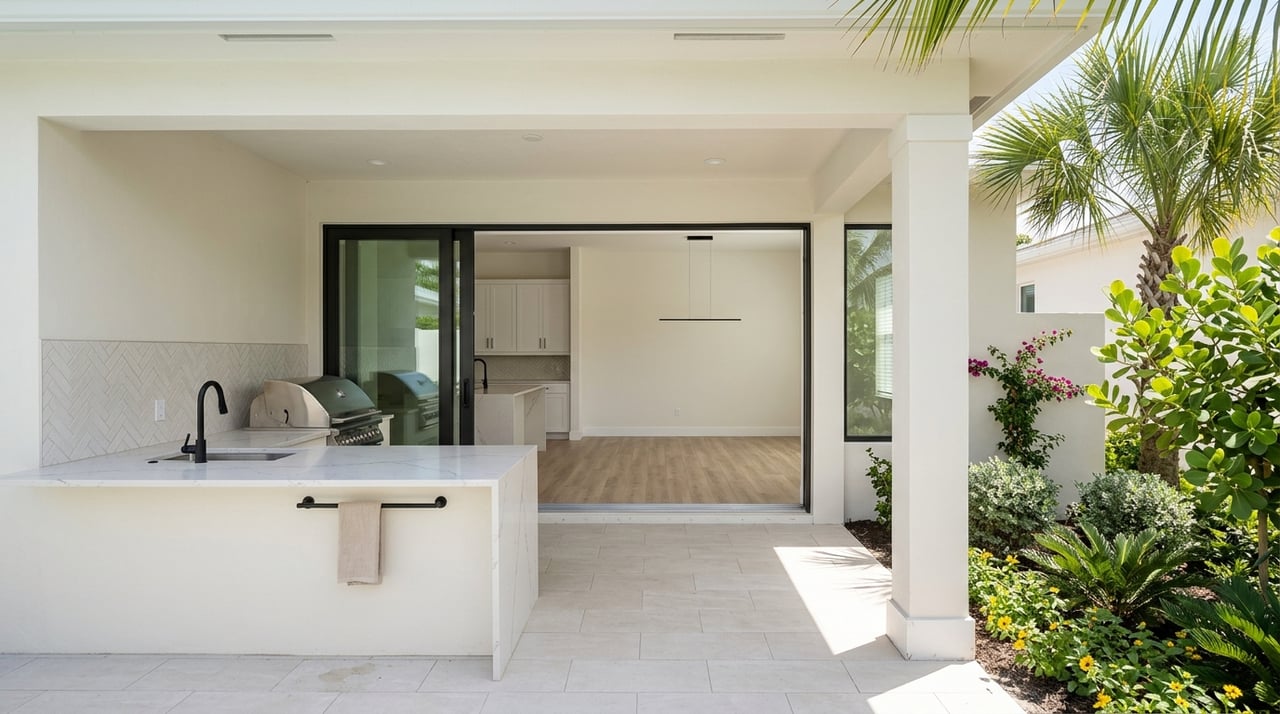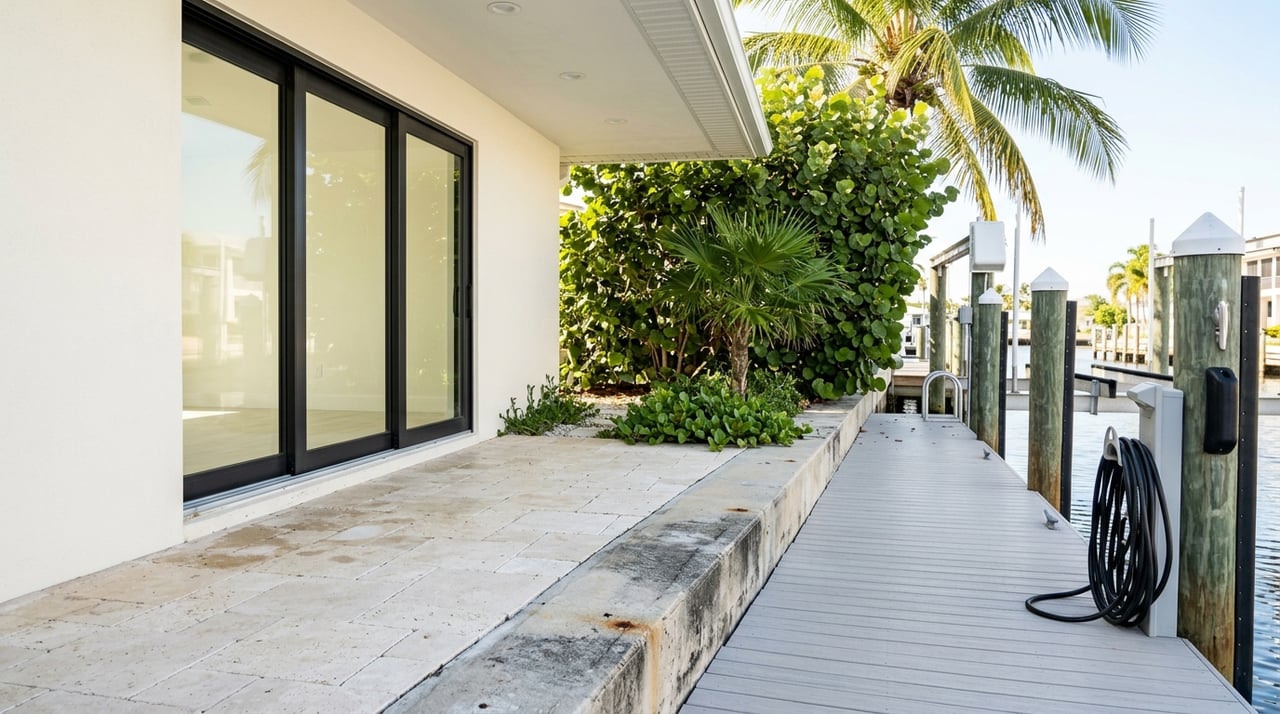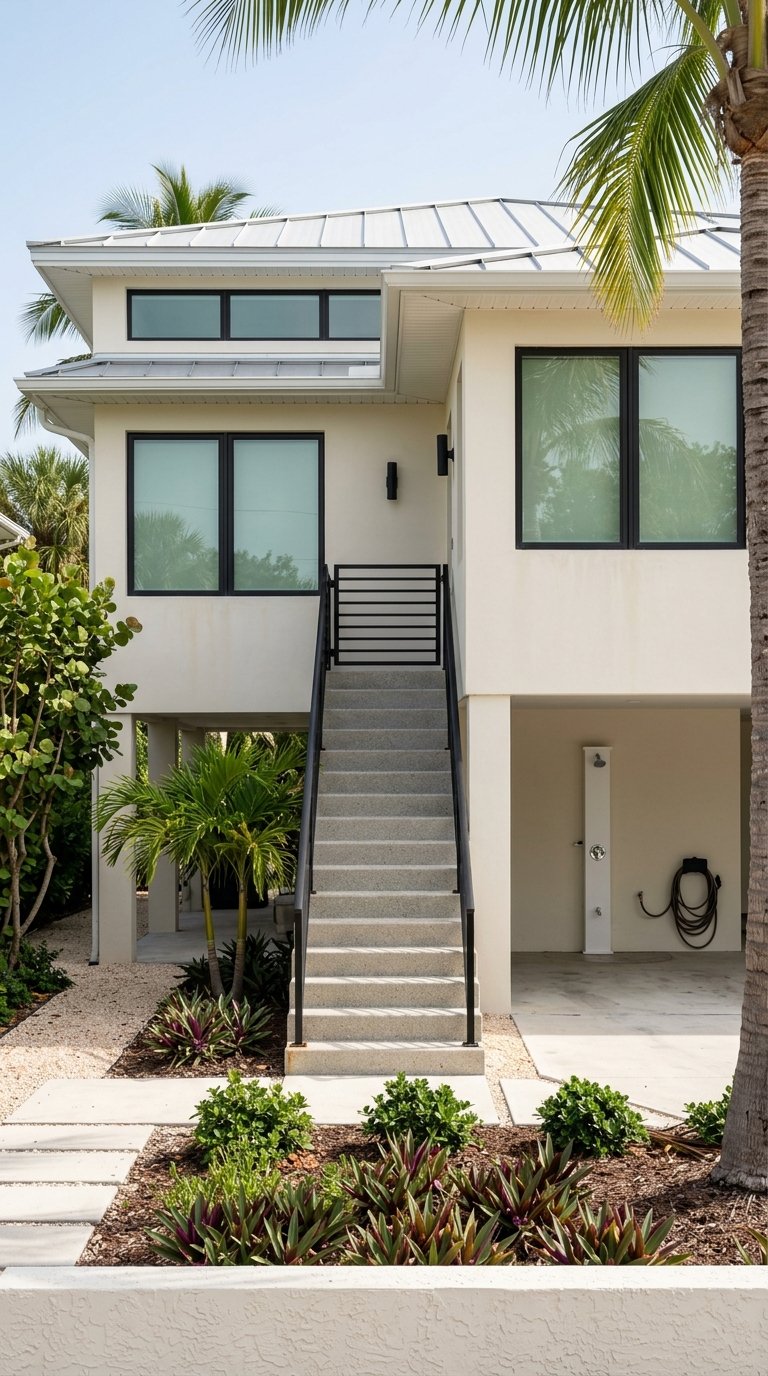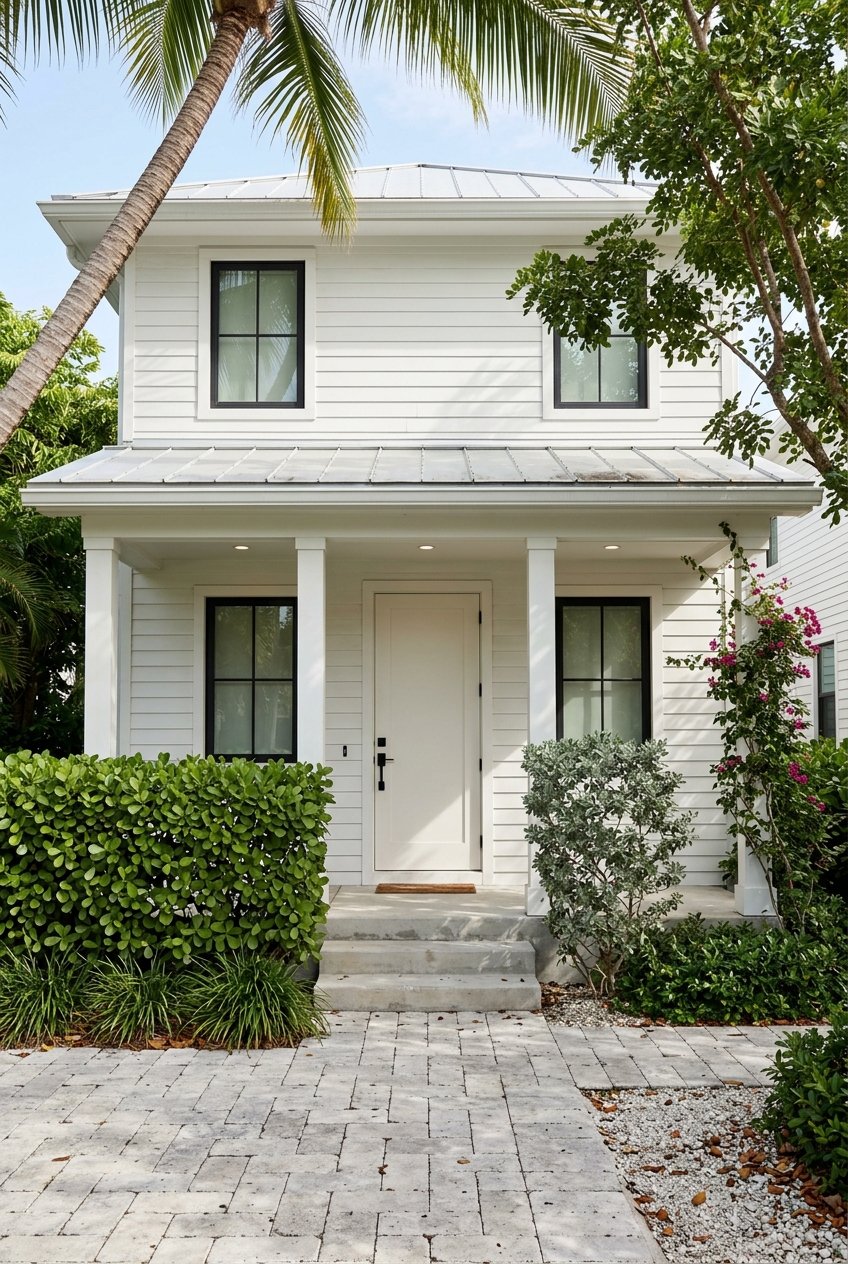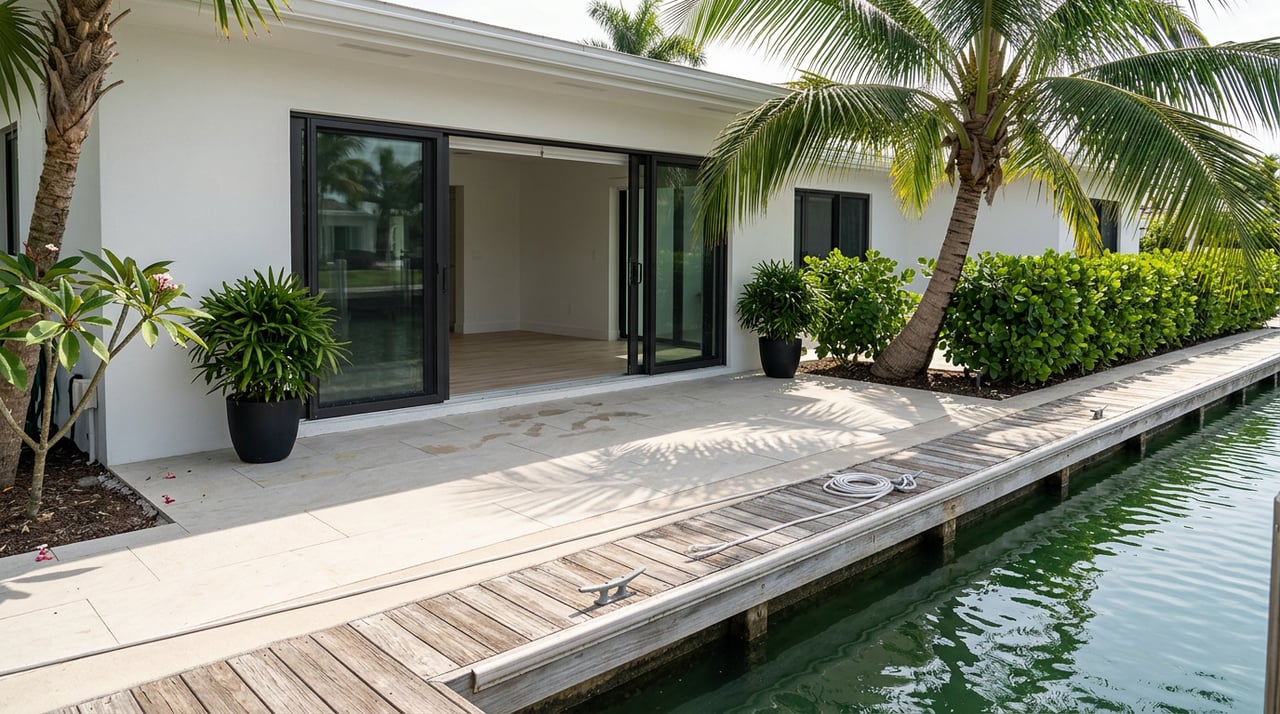
If you picture yourself stepping from your back deck onto your boat for a sunset run, you are not alone. In Key West, the dream is real, but the dockage details can feel complex. Between private docks, marinas, community slips, city moorings, and dry storage, each option trades convenience, cost, and responsibilities. This guide breaks down what each choice means for your daily life, how local rules affect what you can build or rent, and a simple checklist to use before you make an offer. Let’s dive in.
Key dockage options at a glance
- Want instant access and privacy: Choose a private on-site dock. Expect permitting, maintenance, and storm planning.
- Want services and simplicity: Choose a full-service marina slip with fuel, pump-outs, power, and on-site amenities.
- Want lower monthly costs: Consider a city mooring ball or dry storage, with fewer services and more logistics.
- Want a balance in a condo: Look for community or HOA dockage, subject to association rules and availability.
Private docks and canal-front homes
What it is and daily life
A private dock is built from your property, often along a seawall, sometimes with a lift or finger pier. The reward is immediate, private access to your boat. Loading, unloading, and quick fishing trips are easy, which is why canal-front living is so appealing in the Keys.
Permits and design limits
Private docks in the Keys are tightly regulated. Many projects require state environmental authorization and local permits. Florida DEP guidance outlines common limits for single-family docks, including narrow access walkways, small terminal platforms, and restricted projection into the waterway. Before you assume a lot can support a new or bigger dock, review the state’s dock permitting guidance and request the seller’s permit history. You can find the state overview in the Florida DEP’s “Dock Permitting in Florida” guide. Review the DEP dock-permitting guidance.
Depth, draft, and storms
Many Key West canals are shallow at low tide. Depth and approach conditions limit the boat size and whether a lift makes sense. During due diligence, request depth soundings at mean low water and ask about any history of dredging and who pays for it. Also confirm whether the dock and any lift were built under valid permits and meet current design standards so you can plan for hurricane loads and maintenance.
Marina slips near Key West
Where and what to expect
Marinas deliver simplicity: dockhands, shore power, water, pump-outs, fuel, security, and often repairs. Local examples include Stock Island Marina Village, Key West Bight, Conch Harbor, and the Galleon. Stock Island Marina Village is a large, deep-water facility with amenities and even a shuttle service, which many boaters find convenient. Explore the Stock Island Marina Village dockage page.
Costs, contracts, and liveaboards
Pricing varies by slip length, season, and services. Some facilities offer transient, seasonal, or annual contracts, and permanent slips may have waitlists. Policies for liveaboards differ by location. The City of Key West manages liveaboard programs and assignments within the City Marina system at Garrison Bight and publishes program details and annual updates. See the City of Key West’s marina and mooring report.
Hurricane planning and security
Ask each marina about its storm plan, haul-out options, and how they secure docks during severe weather. Some owners prefer to haul out before a storm when capacity allows. Your insurer may ask for the marina’s hurricane procedures and security details, so plan ahead and keep copies of any policies you rely on.
City mooring field and mooring balls
How it works
Mooring balls give you a fixed, inspected point to secure your boat without a slip. In Key West’s Garrison Bight area, the City operates a mooring field that serves transient and long-term boaters with assigned spaces and related services at shore. Moorings are typically less expensive than slips but require a dinghy for shore access and some planning for daily routines. Learn about the City’s managed mooring field in the annual report.
Rules, sanctuary context, and pump-outs
Anchoring and mooring in the Keys operate within the Florida Keys National Marine Sanctuary, which maintains mooring buoys to protect reefs and sets rules for where you can anchor or moor. Read about the Sanctuary’s mooring buoy program. All Sanctuary waters are a federal No-Discharge Zone, and Monroe County runs a pump-out program with proof-of-pump-out requirements for long-term moored or anchored vessels. Review Monroe County’s pump-out program and NDZ info.
Who it suits
If you want lower monthly costs and do not need shore power at your bow, a mooring can be a smart fit. It works best if you are comfortable with dinghy logistics, plan ahead for pump-outs and supplies, and prioritize quick access to open water over shore amenities.
Community and HOA dockage
What to verify in an association
Some Key West condos and small waterfront communities offer shared docks or slips. A slip may be deeded, assigned, or first come, first served. Before you buy, ask the association for slip-allocation rules, guest and tenant policies, maintenance reserves, and insurance responsibilities, plus whether slips transfer with unit sales or are conveyed separately.
Dry storage, haul-out, and trailer storage
Tradeoffs and ideal use
Dry storage keeps your boat out of the water to reduce growth and storm exposure. Stock Island and nearby boatyards offer haul-out and storage options that can be cost-effective if you use your boat less frequently or want a conservative hurricane plan. Launching takes more coordination than leaving the boat in a slip, but many owners value the lower maintenance. See example storage and haul-out services at Stock Island Marina Village.
Permits and rules to know in the Keys
- Multi-agency approvals: New docks, lifts, and seawalls in the Keys often require state environmental authorization followed by local building permits and, where applicable, federal and Sanctuary reviews. The Florida DEP’s guidance is your best starting point. Check the DEP dock-permitting overview.
- Anchoring law and local application: Florida statute Chapter 327 includes anchoring rules applied in Monroe County, which set relocation and time limits for long-term anchoring. Always verify current local interpretations. Read Florida’s Chapter 327 statutes.
- Sanctuary zones and moorings: The Sanctuary encourages use of mooring buoys to prevent reef damage and restricts anchoring in sensitive zones. Explore the Sanctuary’s mooring guidance.
- No-Discharge Zone and pump-outs: The Keys are a federal NDZ. If you plan to moor or anchor long term, plan for pump-out logistics and proof-of-pump-out compliance through the County program. Review Monroe County’s pump-out details.
Daily logistics and cost factors
- Speed to open water: Some marinas, especially on Stock Island and in Old Town, offer quick ocean access. Many private canals have shallow approaches that require timing with tides. Ask for approach charts and bathymetric data. See Stock Island Marina Village for deep-water access context.
- Fuel, power, and pump-outs: Full-service marinas provide fuel, shore power, and pump-out access. The City’s marina system supports pump-out services for moored vessels and shore stations, which can shape how often you use the boat. Review the City’s marina and mooring operations.
- Liveaboard rules: Not all marinas allow liveaboards. The City manages specific liveaboard slip programs and assignments. Confirm any liveaboard allowances and fees in writing. See the City’s latest program update.
- Seasonality and demand: Winter brings high demand from seasonal residents and charter fleets. Rates, availability, and waitlists change often. Call the City Dockmaster or marina directly for current availability.
Which option fits your boating style
- Frequent, short outings from home: Private dock or an HOA dock with reliable allocation.
- Turnkey convenience with services: Full-service marina slip near your preferred waters.
- Value-focused or storm-cautious plan: City mooring ball paired with a routine for pump-outs, or dry storage with haul-out options.
- Condo lifestyle with some access: Community dockage subject to association rules and fees.
Showing-day checklist for buyers
- Ask for dock permits: Request copies of state and local permits, plus as-built drawings for any dock or lift. Use the DEP guide as context.
- Confirm title and rights: Is the slip or dock deeded, leased, or an association privilege on state submerged lands?
- Verify depth and approach: Request recent soundings at mean low water and a chart of the approach channel. Ask whether dredging is allowed and who pays.
- Review HOA rules: Get written slip-allocation rules, fees, guest and tenant policies, and reserve funding.
- Check mooring or marina details: Contract type, waitlist status, liveaboard policy, hurricane plan, and pump-out access. For City moorings, contact the City Dockmaster. See the City’s marina and mooring overview.
- Plan for NDZ compliance: Confirm holding tank and pump-out logistics if you will moor or anchor long term. Monroe County’s pump-out program.
Ready to find your Keys home with the right dockage
Choosing how and where to keep your boat is just as important as choosing the house itself. With clear goals, a little permitting homework, and the right local contacts, you can match your boating style to the best property and dockage solution. When you are ready to tour canal-front homes, compare marina options, or evaluate HOA dock rules, reach out for calm, hospitality-first guidance. Start your search with Jamie Lynne Walker and let’s find the fit that makes your time on the water effortless.
FAQs
What dock permit documents should I request when buying a Key West waterfront home?
- Ask for all Florida DEP and local building permits, any federal or Sanctuary reviews, plus as-built drawings and proof of state authorization if the dock sits on submerged lands. See the DEP dock-permitting overview.
How do city mooring balls work in Key West and who assigns them?
- The City of Key West manages assignments and services for the Garrison Bight mooring field, with procedures for transient and longer-term users outlined in City materials. Review the City’s marina and mooring report.
Are liveaboards allowed at Key West marinas?
- Some marinas allow liveaboards with rules and fees, and the City’s marina system manages designated liveaboard slips at Garrison Bight. Always confirm current policies and availability. See the City’s program update.
What is the No-Discharge Zone in the Keys and how do pump-outs work?
- All Sanctuary waters are a federal NDZ, so overboard discharge is prohibited. Monroe County provides pump-out services and requires proof of pump-out for long-term moored or anchored vessels. Learn about the County program.
What drives slip costs and waitlists near Key West?
- Boat length, season, services, and location all influence pricing, and winter demand often adds pressure. Ask each marina about current rates and waitlists since they change frequently. Check an example of marina services at Stock Island Marina Village.