Thinking about moving to Key West with kids? The idea can feel equal parts exciting and overwhelming. You may be wondering whether island life can really work for your day-to-day routine, your housing needs, and your family’s long-term plans. The good news is that Key West is more than a vacation destination, and with the right expectations, it can be a rewarding place to call home. Let’s dive in.
What family life in Key West looks like
Key West offers a lifestyle that feels different from a typical mainland move. Daily life tends to be more walkable, bike-friendly, and outdoors focused, with many families building routines around parks, beaches, and shorter local trips instead of long suburban drives.
The city actively supports that kind of lifestyle through programs like Car-Free Key West, and local transit options continue to be part of daily mobility. The city notes that Key West Rides on-demand bus service serves city routes after the Duval Loop suspension beginning January 1, 2026, and the BOB program allows bicycles on buses.
For many families, that means you may not need to approach this move like a typical multi-car suburban relocation. Instead, it helps to think about how close you want to be to school, parks, errands, and the activities your household will use most often.
Housing in Key West is unique
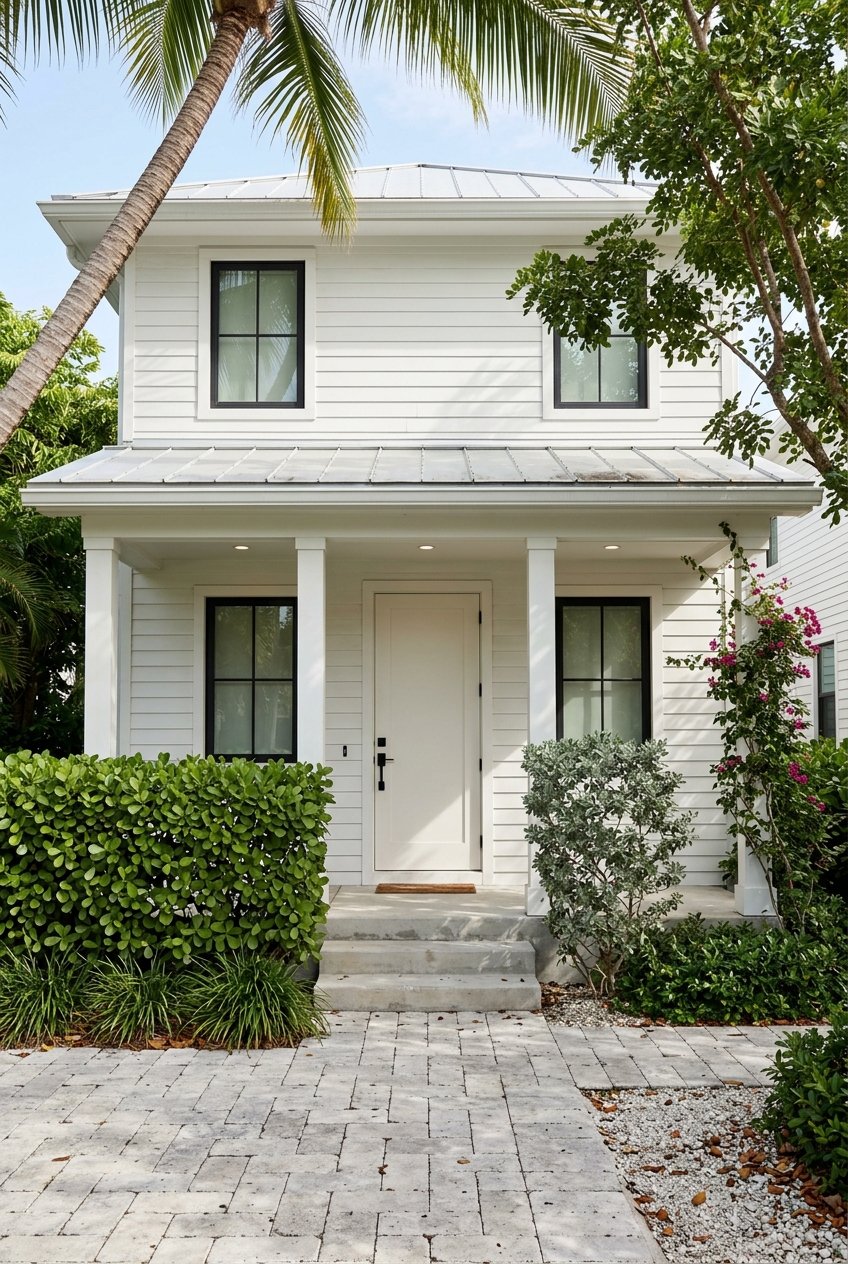
One of the biggest adjustments for relocating families is the housing stock itself. Key West homes are often older, more compact, and more architecturally distinctive than what you may be used to in newer mainland communities.
According to the city’s Historic Architectural Design Guidelines, you’ll find housing types such as cigar-maker cottages, frame vernacular houses, eyebrow houses, and Bahama houses. Many were designed with tropical weather in mind, using features like raised foundations, wood cladding, porches, shutters, and roof forms that support ventilation.
That character is part of what makes Key West special, but it also creates tradeoffs. A home may offer charm, history, and walkable surroundings, while also requiring flexibility on layout, storage, yard size, or renovation plans.
Older homes can offer hidden flexibility
A smaller home in Key West does not always mean limited function. The city notes that some historic cottages were later expanded with rear additions, which means a modest street-facing footprint can sometimes include more usable interior space than you might expect.
That matters if you are relocating with children and trying to balance sleeping space, work-from-home needs, and everyday living. In Key West, it often pays to look beyond first impressions and evaluate how a home actually lives.
Historic district rules matter
If you are considering a home in the Historic District, renovation rules should be part of your planning from day one. The city’s Certificate of Appropriateness process applies to many types of exterior work, including additions, fences, decks, signs, landscaping changes, and demolition.
For larger or noncompliant projects, review may go to HARC. The city also emphasizes preserving porch and roof patterns as part of maintaining neighborhood character, which means remodeling can be more regulated than in a typical non-historic market.
For families, the practical takeaway is simple: if you know you need a certain number of bedrooms, outdoor space, or specific functionality, it is often smarter to buy a home that already fits your needs rather than assuming you can easily add on later.
New construction is limited
Some buyers assume they can sidestep older housing by building new, but Key West has a constrained pipeline for new residential development. The city’s Building Permit Allocation System is the primary tool for regulating new dwelling units while protecting infrastructure and the 24-hour hurricane evacuation time for permanent residents.
In real terms, that means new construction is not as simple or abundant as in many mainland markets. If your family is hoping for a turnkey newer home, it is important to go in with realistic expectations and a clear understanding of what inventory actually exists.
Help for buyers and homeowners
For some families, affordability programs may be worth exploring. The city’s Housing and Community Development office manages deed-restricted workforce housing, including 428 rental units and 127 homeownership units, and it also offers buyer and rental assistance programs.
Monroe County’s SHIP program can also support eligible households with up to $65,000 for home purchase assistance or up to $35,000 for owner-occupied rehabilitation. For first-time buyers, or for families trying to make an older home more functional, those programs can be part of the conversation.
Schools and year-round community life
One common concern for relocating parents is whether Key West feels like a real year-round community. It does. Key West is home to the headquarters of Monroe County Schools, and the district includes schools such as Poinciana Elementary, Gerald Adams Elementary, Horace O’Bryant School, and Key West High School, as listed on the Monroe County School District website.
That school network is an important reminder that Key West is not only a tourism-driven destination. It is also a place where families live full-time, build routines, and participate in daily community life.
When you are narrowing down where to live, school location can be one practical factor in your search. Commute patterns, bike access, and proximity to your most-used destinations can all shape how easy island life feels once you move in.
Outdoor living is a real family perk
For many families, one of the biggest benefits of Key West is how easy it is to get outside. Monroe County says its parks and beaches system manages 23 properties across more than 100 acres in the island chain, giving families a wide range of options for quick outings.
That variety matters in a small island setting. Instead of relying on one large suburban park complex, you have multiple places to rotate through for playground time, beach afternoons, and active weekends.
Higgs Beach offers all-around variety
Higgs Beach & Reynolds Street Pier is one of the most versatile family recreation spots in Key West. Monroe County describes swimming and snorkeling, beach volleyball, tennis and pickleball courts, two gated dog parks, and a playground with barbecue pits and picnic tables.
If you want one location that can work for different ages and interests, this is a strong example of what everyday family recreation can look like on the island.
Smathers Beach brings classic beach access
Smathers Beach is the city’s largest public beach, stretching about a half-mile and offering restrooms, showers, and parking. It also draws about 150,000 patrons annually, so it tends to feel busier and more like a traditional public beach setting.
For some families, that convenience is a plus. For others, it is helpful to know in advance that not every beach day will feel quiet or tucked away.
More parks and activity options
If your family likes to stay active, Fort Zachary Taylor Historic State Park offers a mix of beach access, picnicking, snorkeling, paddling, fishing, biking, and fort tours. Inside the city, families also have access to places like Cozumel Park’s public splash pad, Astro Park Playground, the Martin Luther King Jr. Community Pool, Willie Ward Park, Nelson English Park, and Blake Fernandez Skate Park.
That kind of access can be a major lifestyle advantage. In Key West, outdoor recreation is not something you plan only for weekends. It can become part of your normal weekly rhythm.
Flood risk should shape your plan
Relocating to Key West also means planning responsibly for weather and water. The city explains in its floodplain management information that Key West is surrounded by the Gulf of Mexico and the Atlantic Ocean, making it subject to coastal and shallow flooding and storm surge.
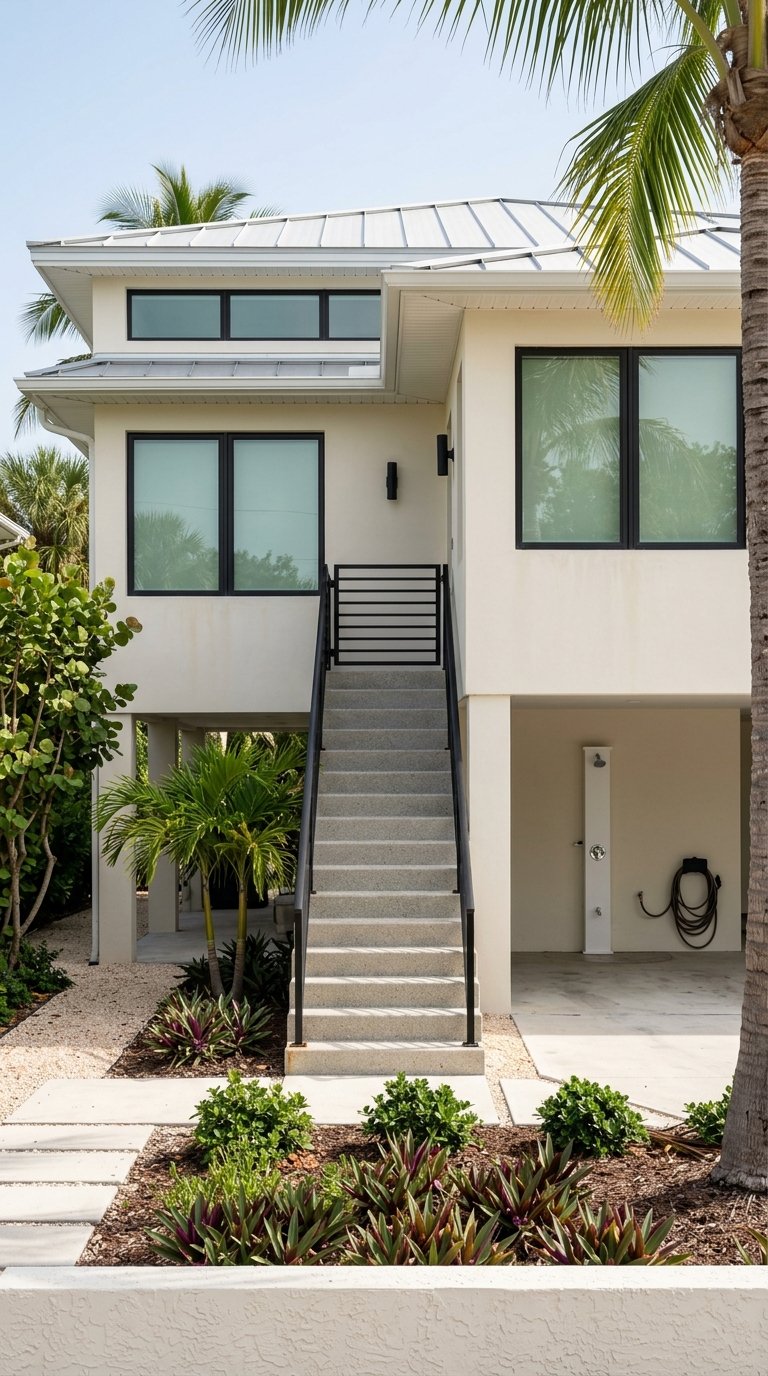
Monroe County also states that all of the county is located in a floodplain. Just as important, flood damage is not covered by homeowners insurance, so flood insurance and evacuation planning are practical parts of owning a home here.
This is not meant to be alarming. It is simply part of living in the Keys. When your search is guided by realistic expectations around elevation, flood exposure, insurance, and preparedness, you can make stronger housing decisions for your family.
How to choose the right home
For most relocating families, the best Key West home is not necessarily the biggest or newest option. It is the home that fits your daily life with the fewest compromises.
As you compare properties, focus on questions like:
- Does the current layout work for your family now?
- Will you need to renovate right away, or can the home function as-is?
- How close do you want to be to schools, parks, and everyday errands?
- Does the home’s location support the walk, bike, or transit lifestyle you want?
- Are you prepared for flood insurance and storm planning needs?
- If the home is historic, are you comfortable with added review for future changes?
In Key West, planning ahead matters. A home that already matches your space needs and lifestyle patterns can make your transition much smoother.
The bottom line for families
A move to Key West usually means trading some square footage and suburban convenience for neighborhood character, outdoor access, and a more connected island lifestyle. Many homes are older and more regulated, and buyers often need to think carefully about renovation limits, new construction constraints, and flood planning.
At the same time, Key West offers real advantages for families who value walkability, recreation, and a strong sense of place. If you approach the move with clear priorities and local guidance, you can find a home that supports both your practical needs and the lifestyle that brought you here in the first place.
If you are planning a move and want help thinking through neighborhoods, housing styles, and the day-to-day realities of island living, Jamie Lynne Walker can help you navigate your Keys journey with local insight and a family-first approach.
FAQs
What is family housing like in Key West?
- Family housing in Key West is often older, smaller, and more architecturally distinctive than typical mainland housing, with many homes designed for tropical weather and historic character.
What should families know about historic homes in Key West?
- Families should know that many exterior changes in the Historic District require a Certificate of Appropriateness, so it is wise to choose a home that already meets your space and functionality needs.
Are there public schools in Key West for relocating families?
- Yes, Monroe County Schools serves Key West, and the district lists Poinciana Elementary, Gerald Adams Elementary, Horace O’Bryant School, and Key West High School among its schools.
Is Key West a walkable place for families?
- Key West supports a more walkable, bike-friendly, and transit-oriented lifestyle than many mainland communities, especially for families who want to live near everyday destinations.
What outdoor activities does Key West offer families?
- Families have access to beaches, playgrounds, splash pads, parks, public pools, and activity-focused destinations like Higgs Beach, Smathers Beach, and Fort Zachary Taylor Historic State Park.
Do families moving to Key West need flood insurance?
- Flood insurance is an important consideration because Monroe County is in a floodplain, and flood damage is not covered by standard homeowners insurance.