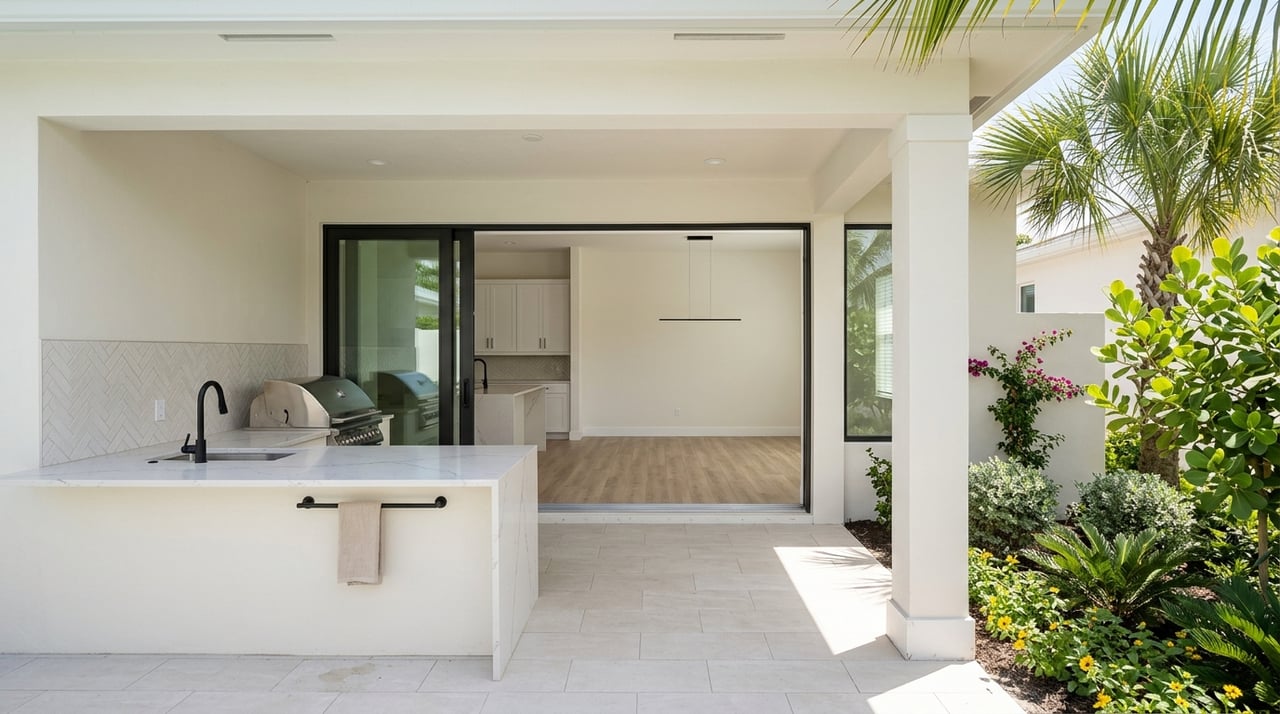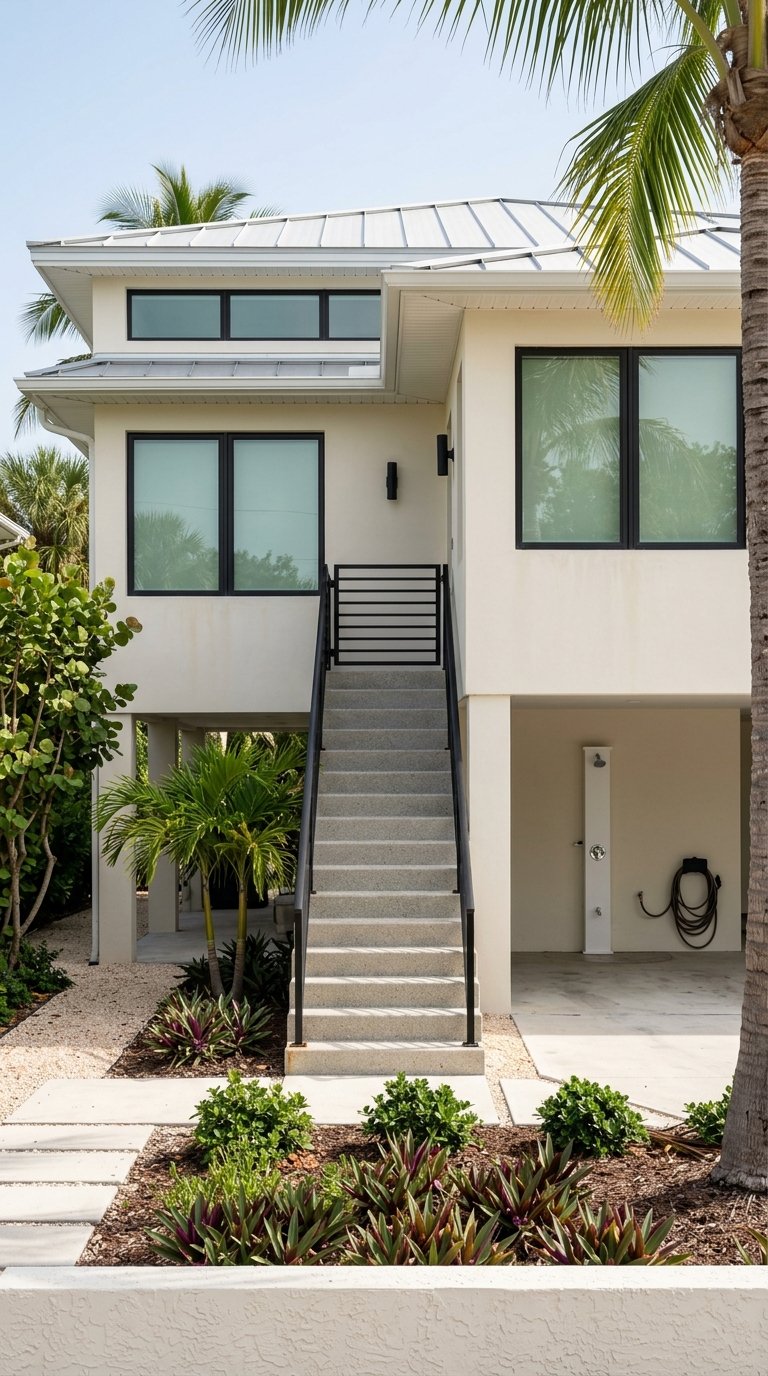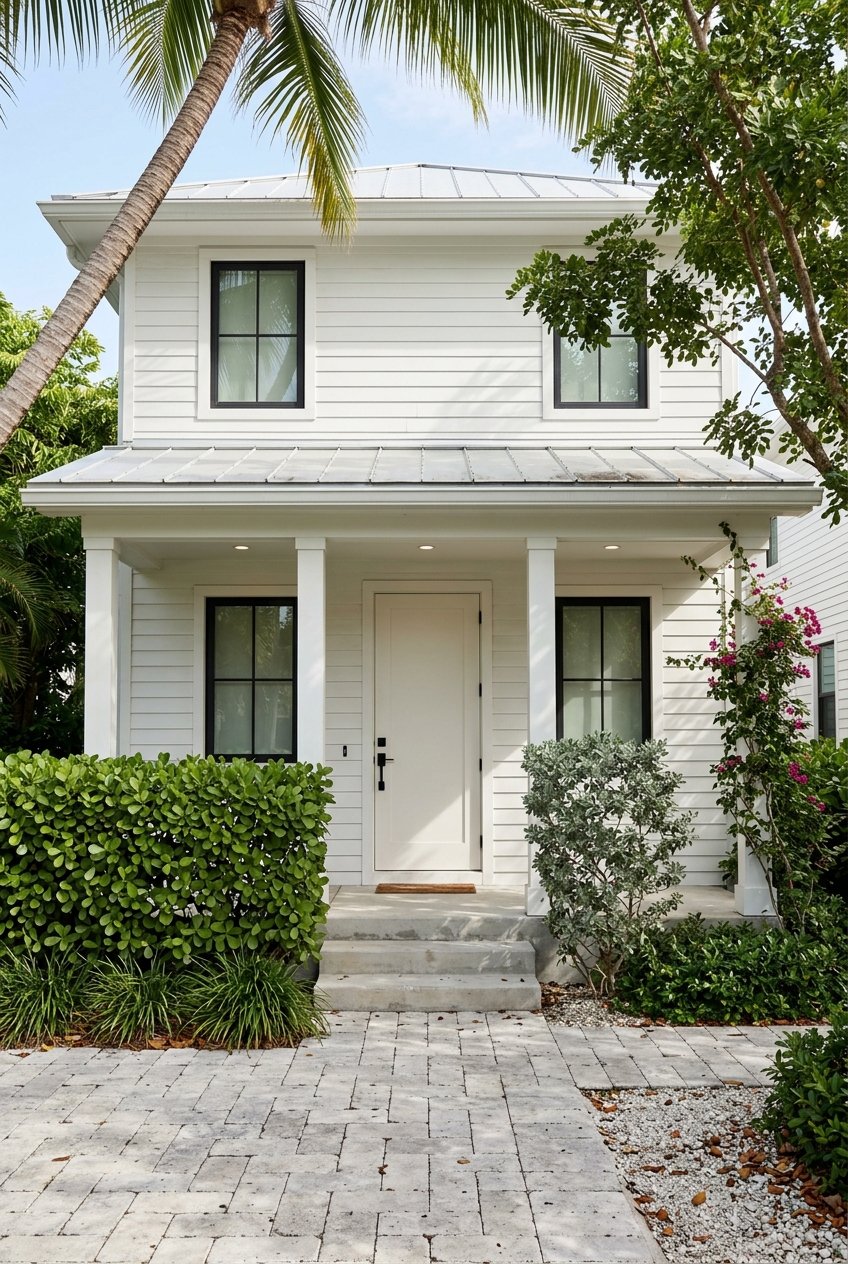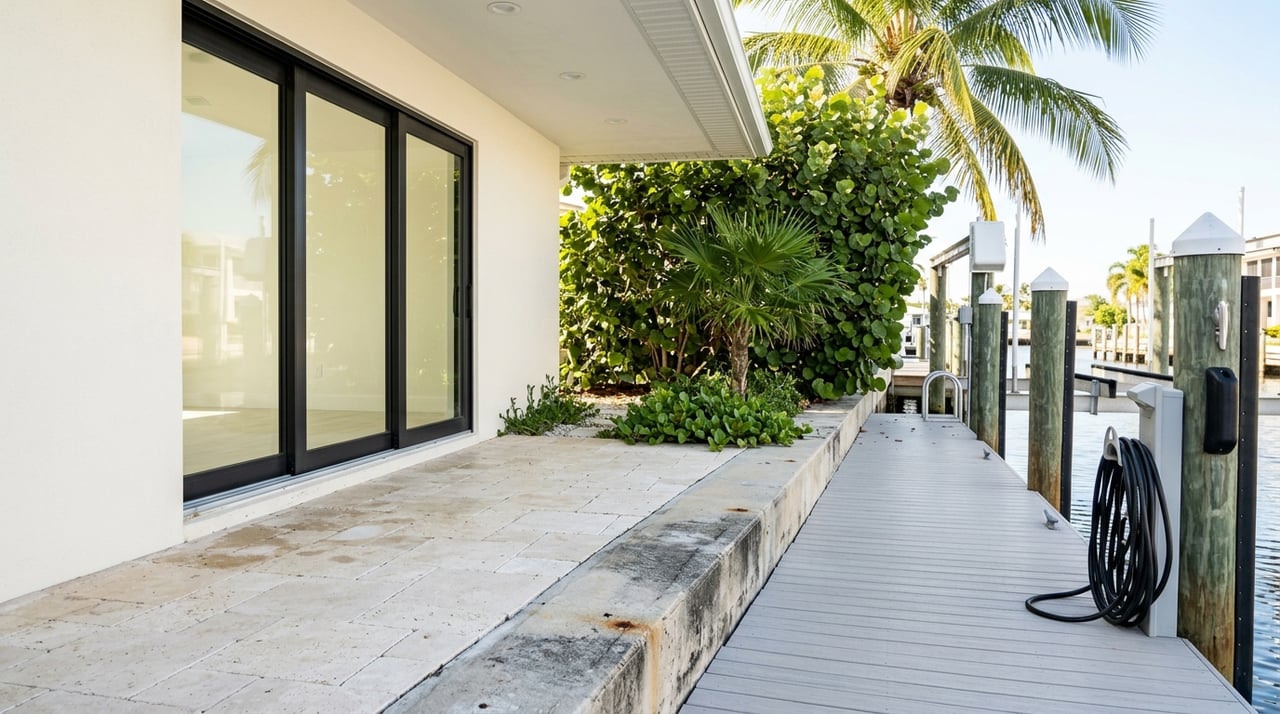
If you picture every waterfront home on Stock Island the same way, you could miss the details that matter most. Buying here often means looking beyond the view and focusing on canal depth, dock setup, flood rules, and even which local government has jurisdiction over the property. If you want to buy with more clarity and fewer surprises, this guide will help you understand what to check before you make an offer. Let’s dive in.
What makes Stock Island waterfront unique
Stock Island is not a one-size-fits-all waterfront market. On the south side, the island is in unincorporated Monroe County, while county transportation materials note that the northern portion was incorporated into the City of Key West. That means rules can differ depending on the address, so one of your first steps should be confirming jurisdiction.
The waterfront here also has a distinct working-waterfront character. Monroe County planning documents describe Stock Island as a mixed-use waterfront community with limited public shoreline access and a strong marine identity. Those same documents identify the area as the center of commercial fishing activity in the Lower Keys, which helps explain why many properties feel more connected to marinas, channels, and boat operations than to a typical beach-home setting.
Stock Island waterfront property types
When you shop for waterfront homes on Stock Island, you may be comparing very different property types. A listing labeled “waterfront” could mean canal-front, marina-adjacent, harbor-front, or a mixed-use waterfront setting with boat access nearby.
County materials identify the Stock Island Channel, Safe Harbor, and Cow Key Channel as major access features. Planning documents also describe Safe Harbor as one of the only deep-water harbors in the Keys and a major center for marine business. For you as a buyer, that means the best fit depends on how you plan to use the property, not just how the listing is marketed.
Canal-front homes
Canal-front homes often appeal to buyers who want private dockage and quick boating access. But canal-front value depends on more than frontage alone. Water quality, canal depth, turning space, and dock layout can all affect how usable the property really is.
Marina-adjacent properties
Some waterfront or near-water homes are closely tied to marina access rather than a private backyard dock. This can be a practical option if you want boating convenience without taking on all the maintenance and permitting questions that can come with a private dock or seawall.
Harbor-front and mixed-use settings
You may also come across properties in more active marine areas near Safe Harbor and related waterfront uses. These settings can offer a strong boating lifestyle connection, but they may feel different from quieter residential pockets. It helps to think carefully about your daily routine, boat plans, and comfort with nearby marine activity.
Why dock details matter so much
On Stock Island, dock geometry can matter just as much as the home itself. Monroe County code requires a county permit, along with any other needed state, federal, or local approvals, before constructing or substantially improving a dock or seawall on county waters. The code is designed to protect waterfront views, canal-use rights, public-water access, and navigability.
This is why a canal-front property should never be judged by photos alone. A dock may look usable, but the real questions are whether it is permitted, whether it fits your vessel, and whether future changes would be allowed. That review becomes even more important on dead-end canals or where lot lines create tricky riparian boundaries.
Questions to ask about a dock
Before you move forward on a canal or dock-dependent home, ask for:
- A current survey
- Any available dock or seawall permits
- Information on boat draft and canal depth
- Details on canal width and turning room
- Confirmation of riparian lines and access rights
- Records of any shared dock or easement arrangements
Monroe County code also includes special rules for dead-end canals and some common-ownership dock arrangements. In some cases, engineering or qualified-person certification may be needed, and recorded reciprocal easements may be required.
Check canal conditions before you buy
Not all canals perform the same way. Monroe County maintains a canal-restoration program and ranks 96 canals in unincorporated Monroe County with poor or fair water-quality ratings that do not meet minimum state standards. The county also points buyers to a residential canals database that identifies canal name, depth, and ranking.
That makes canal research a smart pre-offer step. If you are buying for boating use, canal depth and condition can directly affect how often and how easily you can get on the water. Even if your main goal is lifestyle, knowing whether a canal is better maintained or more challenged helps you make a more informed decision.
Flood risk is part of the ownership picture
Flood risk is not a side issue in Stock Island. Monroe County states that all of the county is in a floodplain, with base flood elevations ranging from 6 to 17 feet above mean sea level. The county also reminds owners that standard homeowners insurance does not cover flood damage.
For buyers in unincorporated Monroe County, there is one helpful cost factor to note. Monroe County says its participation in FEMA’s Community Rating System has produced 25 percent discounts for residential NFIP plans in unincorporated Monroe County. Even with that benefit, flood insurance, structure elevation, and compliance status should be part of your budget conversation early.
Flood due diligence steps
Before you make an offer, it is wise to:
- Pull the FEMA Flood Map Service Center data for the address
- Ask whether an elevation certificate already exists
- Compare the structure’s elevation to the base flood elevation
- Review any enclosed lower-level or below-BFE space carefully
- Factor flood insurance into your monthly ownership costs
Monroe County building guidance says the relationship between a structure’s elevation and the base flood elevation affects flood-insurance premiums. The county also warns that buyers can face significant unforeseen costs if habitable space sits below BFE.
Remodel plans can trigger added costs
If you are buying an older waterfront home with plans to update it, this step is especially important. Monroe County defines substantial improvement as reconstruction, rehabilitation, additions, or other improvements equal to or exceeding 50 percent of the structure’s market value before work begins.
Why does that matter to you? Because a major remodel may trigger floodplain review and additional compliance requirements. If you love a property but expect to renovate, it is smart to review those possibilities before closing rather than after you own it.
Mangroves can affect views and access
Mangroves are part of the waterfront reality in the Keys, and they are regulated. Florida DEP says mangrove trimming is regulated statewide, and trimming generally may not go below 6 feet without the appropriate permit path. Homeowners may have limited trimming allowances around docks or seawalls, but that does not mean broad shoreline clearing is allowed.
If a property’s value to you depends on opening up a water view, expanding dock access, or changing shoreline vegetation, do not assume that work will be simple. This is an area where careful pre-closing review can protect you from costly misunderstandings.
Utilities and wastewater to confirm early
On waterfront and canal properties, utility questions can be just as important as dock questions. Monroe County lists Key West Resort Utilities as the wastewater provider for Stock Island. County wastewater guidance also says central sewer is almost universally available in Monroe County and must be connected where available.
If the property is tied to boating or liveaboard use, wastewater rules matter even more. Monroe County states that the Florida Keys are in a federal no-discharge zone, that anchored or moored vessels can be subject to proof-of-pump-out rules, and that free mobile pump-out service runs throughout the Keys service area. The county also says there are more than 30 shoreside pump-out facilities, and marinas in unincorporated areas with 10 or more slips or at least one liveaboard slip must provide fixed pump-out systems.
Public access is limited
One thing many buyers do not realize right away is that public shoreline access on Stock Island has historically been limited. In the county’s harbor plan, Monroe County said much of the waterfront was privately owned, access was restricted, and the area had only one public boat ramp at the time, with limited parking and launching capacity.
That makes your own access plan a big part of the buying decision. If you plan to keep a boat nearby, private dockage, marina arrangements, and launch logistics should all be part of your search criteria from day one.
Storm planning is part of daily ownership
Owning waterfront property in Stock Island also means planning for hurricane season. Monroe County places Stock Island in Zone 1, defined as MM 0 to MM 6. The county’s evacuation guidance emphasizes phased evacuation, leaving early when possible, and securing boats as part of storm preparation.
This is one of the biggest differences between buying here and buying in many mainland waterfront markets. You are not only buying water access. You are also buying into an island system where floodplain rules, evacuation planning, marine infrastructure, and weather logistics all shape day-to-day ownership.
A smart pre-offer checklist
If you are serious about buying a waterfront or canal home on Stock Island, these are some of the most useful items to review before making an offer:
- Confirm whether the property is in unincorporated Monroe County or the City of Key West
- Check zoning, future land use, flood zone, tier designation, and shoreline setback rules
- Review survey, dock permits, seawall permits, and any easements
- Research canal depth, canal ranking, and water-quality conditions if canal-front
- Pull flood map data and request an elevation certificate if available
- Ask about past improvements and whether future renovations could trigger substantial improvement rules
- Verify wastewater connection and boat-related pump-out logistics if relevant
- Think through evacuation planning and how you would secure a vessel during storms
Monroe County’s research tips page specifically points buyers to county GIS, the property appraiser, and code resources for many of these checks. In a market like Stock Island, that extra research can make a major difference in how confident you feel during the transaction.
Buying waterfront on Stock Island can be exciting, but the strongest purchases usually come from looking at the full picture. When you understand the canal, the dock, the flood zone, the utilities, and the local rules, you can choose a property that fits both your lifestyle and your comfort level. If you want local guidance as you compare waterfront and canal-front options, Jamie Lynne Walker can help you navigate the details and find the right fit for your Keys goals.
FAQs
What should I check before buying a canal-front home on Stock Island?
- You should review the survey, dock or seawall permits, canal depth, water-quality conditions, riparian lines, flood zone data, and whether the property falls under Monroe County or City of Key West jurisdiction.
Why does jurisdiction matter for Stock Island waterfront homes?
- Stock Island includes areas in unincorporated Monroe County and areas incorporated into the City of Key West, so permitting and property rules may differ depending on the address.
How important is flood insurance for a waterfront home on Stock Island?
- Flood insurance is a key part of ownership because Monroe County states that all of the county is in a floodplain and standard homeowners insurance does not cover flood damage.
Can you trim mangroves at a Stock Island waterfront property?
- Mangrove trimming is regulated, and Florida DEP says trimming generally may not go below 6 feet without the appropriate permit path, so you should verify limits before planning shoreline changes.
Are all Stock Island waterfront homes ideal for boating?
- No. Waterfront listings can differ widely, and canal-front, marina-adjacent, harbor-front, and mixed-use properties may offer very different boating access, dockage options, and day-to-day usability.