Picture this: you step off a short flight or finish the scenic drive over the Overseas Highway, drop your bag, and step into warm salt air. You came for the sunshine and easy pace, but you also want to know what everyday second‑home life in Key West actually looks like. In this guide, you’ll get a clear, realistic view of daily routines, seasonal rhythms, costs, storm prep, rental rules, and how to balance island living with your life on the mainland. Let’s dive in.
Daily life in a second home
Owner types and patterns
Many owners are snowbirds who spend late fall through spring in Key West, then return to their primary homes for summer. Others live within a short flight or a day’s drive and come for long weekends or a week at a time. Some owners plan to generate short‑term rental income when they are not in residence. Retirees often start part‑time and shift toward full‑time later.
A typical day
Your day often starts outside with coffee on the patio. You might bike to breakfast, head out for a morning of boating or fishing, or walk to the waterfront for sunset rituals at Mallory Square. Old Town makes walking and biking easy, and you will likely rely on local restaurants and bars, with hours that change by season. You will also build in simple routines to manage salt, humidity, and pests so the home stays comfortable and clean.
Smart absentee ownership
When you are away, smart locks, cameras, and thermostats help you keep tabs on the property. Many owners hire a property manager for periodic checkups, guest turnovers, and storm prep. The goal is a reliable, lock‑and‑leave setup that protects your investment and keeps your stress low.
Property types and how they live
Old Town cottages
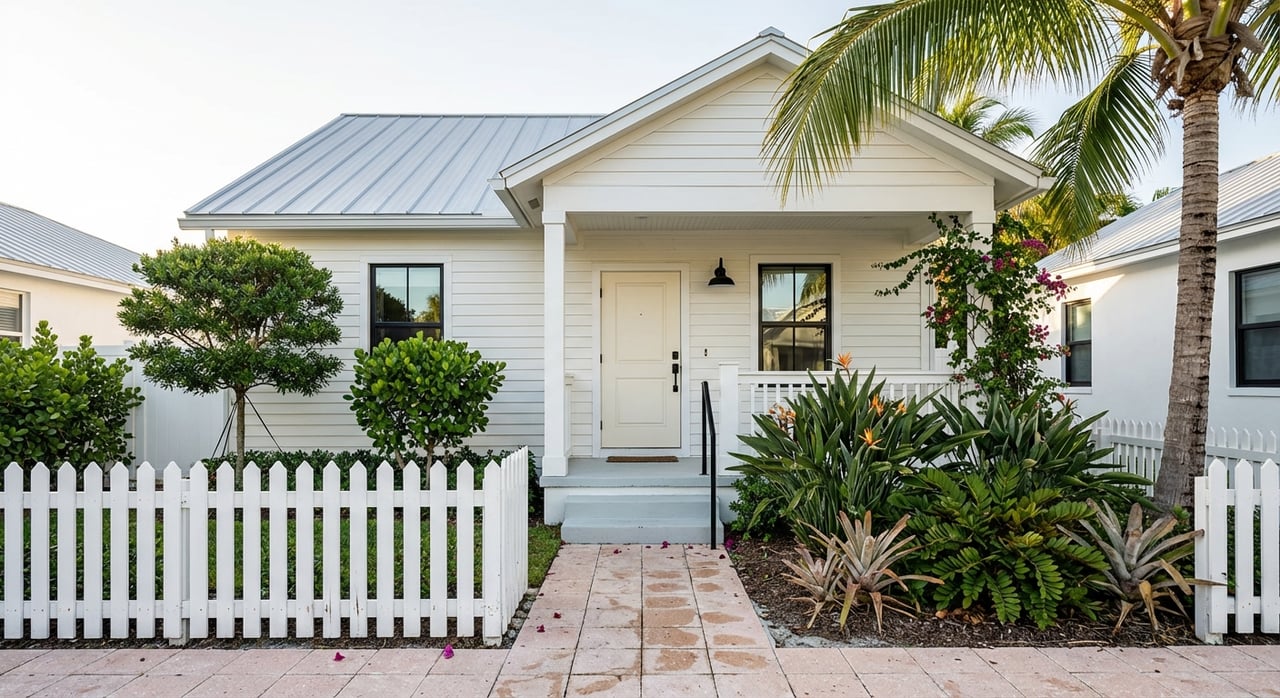
Historic Conch‑style cottages feel like a cozy townhome setup. Expect limited parking and strong historic‑preservation rules for exterior changes. These homes are popular for short stays and offer great access to dining and nightlife.
Condos and townhomes
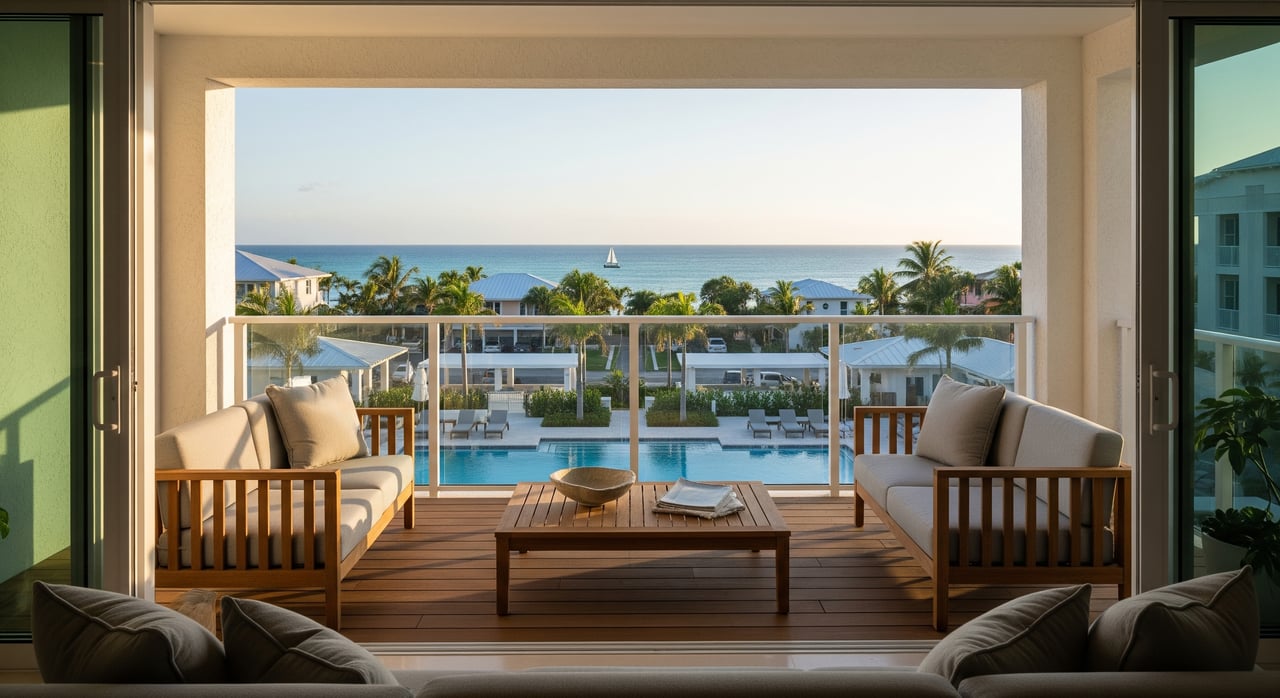
If you want easier lock‑and‑leave living, condos and townhomes are common choices. Many associations cover exterior maintenance, landscaping, and some building insurance, but not your contents or flood coverage. These properties can be attractive for renters, subject to association rules.
Newer and elevated homes
Newer builds often meet modern wind and flood standards, which may reduce certain risks and maintenance needs. They can cost more upfront but often require less immediate work. Elevated structures are common for resilience.
Homes with docks
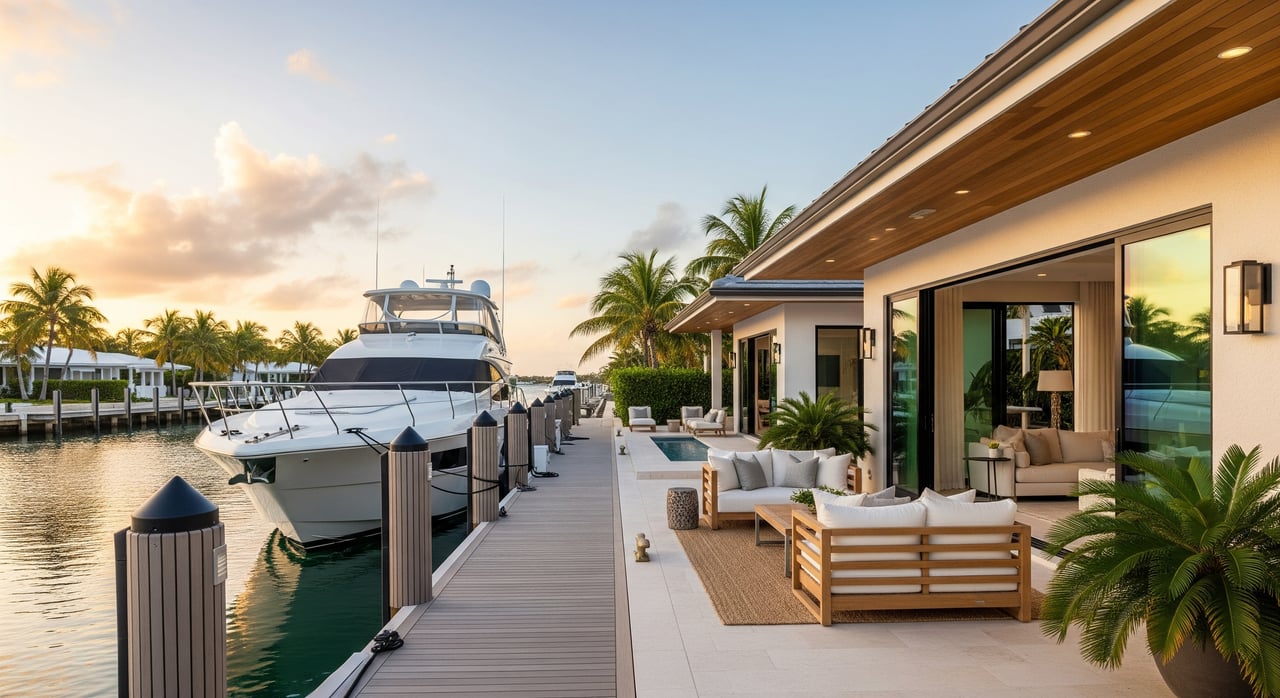
If boating is part of your plan, properties with docks are prized. Be sure to understand local mooring and dock rules, slip availability, and maintenance needs. Permits, seawalls, and dredging requirements can come into play depending on the property.
Blending island time with mainland life
Getting to and from Key West
You will tend to split time between your primary home and the Keys. Many owners drive US‑1 for a scenic, slower trip, while others rely on short regional flights in and out of Key West International Airport. Travel frequency usually depends on your schedule, distance, and fares.
Mail, packages, and utilities
Absentee owners often forward mail or use third‑party mailboxes, and they set utilities on auto‑pay. Package services help during longer gaps between visits. A simple checklist for arrivals and departures keeps everything smooth.
Healthcare and emergencies
Routine medical care is available locally. For specialists and major hospitals, plan for trips to the Miami area. Telehealth helps with continuity, and you should have an emergency plan for evacuation during severe weather.
Seasons and events that shape your year
High season vs. low season
Key West runs on two very different seasons. The high season generally runs November through April, with more visitors, fuller event calendars, busier restaurants, and stronger rental demand. Late spring and summer are the low season, with hotter, more humid weather and lower tourist volume. Hurricane season runs June through November, so storm planning overlaps with this period.
Spikes in demand
Events like Fantasy Fest in October create intense short‑term spikes in demand and crowds. Lobster mini‑season, fishing tournaments, sailing regattas, and arts events also move the needle. If you plan to rent your home, you will likely plan around these dates.
Contractor availability
You will find more service hours and staffing in high season. Many owners schedule big projects like painting or roof work during off‑peak months to avoid disrupting renters or guests. Specialty contractors can be in short supply during peak periods.
Costs and budgeting essentials
Financing and taxes
Financing a second home can come with different underwriting, including higher rates and different down‑payment or reserve requirements than a primary residence. Second homes do not receive Florida’s homestead exemption, so you should plan for the full property tax bill.
Insurance and risk
Wind, hurricane, and flood exposure drive higher insurance costs. Flood insurance is common and often required if you have a mortgage. Expect wind‑storm or hurricane deductibles and the possibility of premium changes over time.
Utilities and association fees
Electricity, water, sewer, and trash costs vary by usage and location. Coastal systems can include higher rates or special assessments. Condo or HOA fees often include exterior maintenance and building insurance, but not your contents or flood policy, and association rules may limit rentals.
Maintenance realities
Salt, humidity, and wind increase wear compared to many mainland homes. Plan for HVAC servicing, corrosion control, exterior paint and wood work, deck or dock upkeep, pool and landscaping, and ongoing pest control. Budget above typical mainland rules of thumb for annual maintenance because coastal exposure accelerates wear.
Property management and rentals
If you rent the home, full‑service property managers typically charge a percentage of rental revenue for marketing, turnovers, and guest services. There are also lighter options for keyholding, inspections, and maintenance only. Interview a few providers to match your needs and budget.
Hurricanes and storm prep
Evacuation planning
Key West is an island with a single primary exit route on US‑1. Know your evacuation zone, how contraflow works, and how long it takes to leave before a storm. Build in extra time during peak travel periods.
Physical mitigation
Impact windows and doors, code‑rated hurricane shutters, roof straps, and backup generators are common. Elevated construction can reduce flood risk. These measures can also affect insurance discussions.
Absentee logistics
If you are away when a storm approaches, you will want a reliable local team to secure the property, document conditions, and handle claims or repairs. Clear checklists, photos, and pre‑arranged contacts make all the difference.
Boats, docks, and waterfront specifics
Dock ownership and rules
Dock ownership comes with maintenance and compliance responsibilities. You may deal with permitting, seawall upkeep, or dredging depending on the property and location. Municipal slips and mooring field availability can be limited, so plan early.
Boat care and insurance
Boats in saltwater need regular bottom work and anti‑fouling maintenance. If you keep a vessel in the Keys, confirm that your marine insurance covers local risks and storm plans. Winter storage and haul‑outs are part of many owners’ routines.
Neighborhood snapshots
Old Town
Walkable streets, historic architecture, and a lively dining scene define Old Town. Parking can be tight, and exterior changes to historic homes often require approvals. Rental demand can be strong subject to local rules.
Mid‑island and newer areas
Newer subdivisions and uptown or mid‑island areas often offer more parking and storage. You are more likely to find garages and newer construction here. These homes can be easier to maintain than older structures.
Waterfront enclaves
Waterfront neighborhoods command premium pricing and put you close to the water. You will consider dockage, marina access, and exposure to storm surge as part of the decision. Maintenance needs can be higher due to salt and wind.
Lower Keys beyond Key West
Communities outside the island of Key West can offer different price points and lot sizes. You will drive more to reach island amenities. Utility setups can vary, including septic and municipal differences by area.
Rental rules and compliance basics
Short‑term rentals are regulated in Key West and Monroe County. If you plan to rent, confirm the specific property’s licensing and occupancy rules, register and remit required transient taxes, and review HOA or condo declarations along with any deed restrictions. Rules change and enforcement can include fines, so get current, property‑specific guidance from local authorities, a property manager, or an attorney before you buy.
Smart next steps
- Visit in two very different seasons. Compare crowd levels, business hours, and service availability between high season and late summer.
- Verify short‑term rental rules for any property you are considering. Check city and county regulations, zoning, and HOA or condo restrictions.
- Get multiple insurance quotes. Include flood and wind, and discuss deductibles along with mitigation discounts.
- Interview 2 to 3 property managers. Ask about absentee owner services, checklists, and fee structures.
- Confirm dock or slip status if waterfront. Review permits, maintenance obligations, and marina options.
- Consult a local real estate attorney. Review covenants, historic constraints, and title items before closing.
- Budget conservatively for coastal maintenance and for travel or evacuation logistics.
If you want a friendly, knowledgeable guide who pairs island lifestyle insight with practical, step‑by‑step support, connect with Jamie Lynne Walker. Let’s talk about the right property type, seasonal plan, insurance and rental details, and the waterfront features that fit your life.
FAQs
Can you truly lock and leave a Key West second home?
- Yes, many owners do. Plan for a reliable property manager or neighbor checks, smart home access, auto‑pay utilities, and regular inspections to catch mold, pests, or storm issues.
How often can you realistically use a Key West second home?
- Snowbirds often spend multi‑week stints in high season. Weekend and short‑stay usage depends on your distance, flight schedules, and costs.
Is short‑term renting allowed for Key West second homes?
- It depends on the specific property, zoning, and association rules. You will need proper licenses, tax registration, and compliance with city and county regulations.
How serious is hurricane risk for Key West owners?
- Hurricane risk is real. You should expect to prepare each season with mitigation, the right insurance, and a clear evacuation plan.
Is maintenance worse than on the mainland for Key West homes?
- Coastal exposure increases maintenance frequency and cost. Salt, humidity, and UV accelerate wear, so budget more than typical mainland estimates.
What surprises first‑time second‑home buyers in Key West?
- Common surprises include tight parking in historic areas, higher insurance costs, limited availability of specialty contractors in peak season, and seasonal rhythms that affect business hours and services.