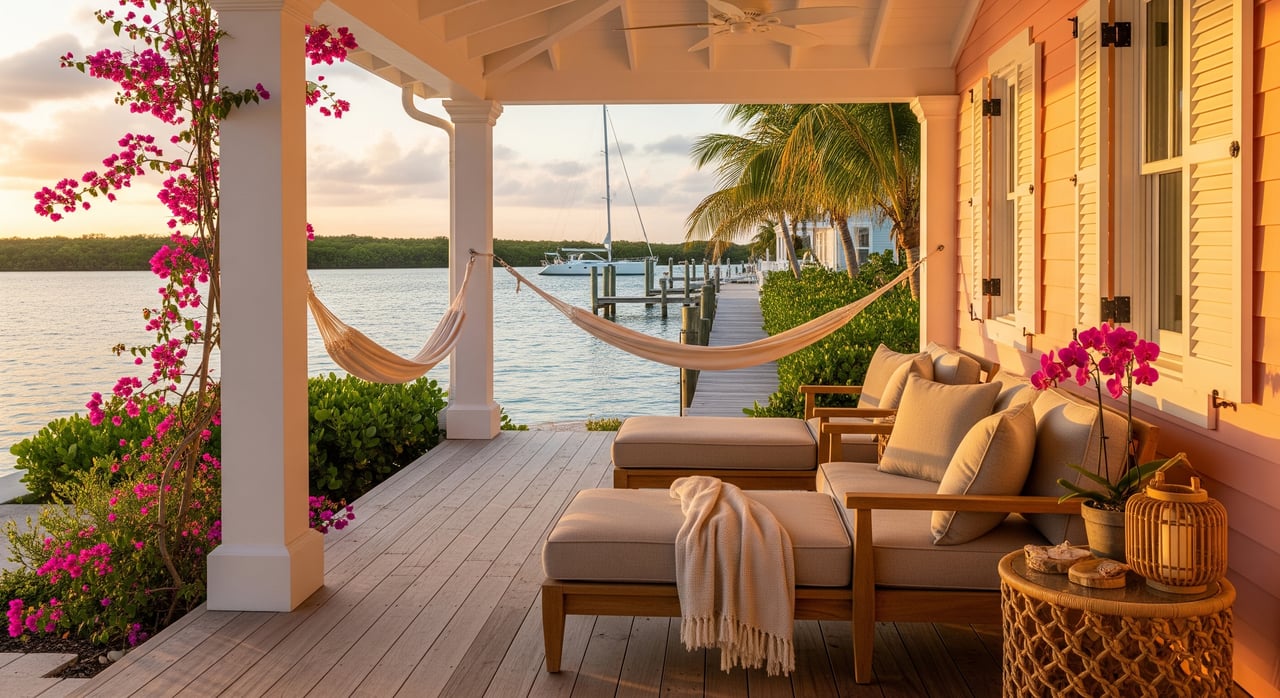
Do you picture mornings on calm water, lunch at a dockside cafe, and sunset back at your slip? If so, marina living on Stock Island may be a great fit. You want fast access to reefs and wrecks, practical boat services close by, and a home base that feels easy and relaxed.
In this guide, you’ll learn how Stock Island’s working-waterfront vibe supports day-to-day boating, what to verify about slips and storage, and how nearby condos and single-family homes match the lifestyle. You’ll also get a simple checklist for insurance, permits, and hurricane prep so you can buy with confidence. Let’s dive in.
Why Stock Island works for boaters
Stock Island sits just east of Key West across Cow Key Channel. You’re minutes from Key West’s services, dining, and airport while avoiding the busiest tourist core. The setting is a true marine corridor with commercial marinas, fishing charters, boatyards, and waterfront restaurants all in the mix.
If you want quick runs to offshore wrecks and reefs or a short hop to Key West, the location checks a lot of boxes. Many buyers are seasonal owners, sport-fishing enthusiasts, or relocating boaters looking for liveaboard-friendly options and easy access to slips. The neighborhood character feels coastal and practical, with small condo buildings, island cottages, and newer homes blended into a marine working environment.
Marina infrastructure: what to expect
Marina amenities vary by operator, so use the notes below as a framework and verify details directly with the marina or HOA.
Wet slips and live berths
You’ll find a range of wet slip options, from transient to monthly and annual leases. Some residential properties include deeded or assigned slips, while others rely on nearby marina rentals. Always confirm the basics for your boat and your lifestyle.
What to verify:
- Slip length, beam, and depth at mean lower low water
- Power service (shore power amperage), water, lighting, and security
- Whether the slip is deeded, assigned, or controlled by the operator
- Liveaboard allowances, fees, and registration requirements
Dry storage and trailer/rack options
Space is tighter in the Keys than on the mainland, so plan ahead if you prefer rack storage. Some facilities offer dry-stack or trailer parking, but availability and size limits matter.
What to verify:
- Weight and size limits for your boat
- Launch and retrieval windows and staffing hours
- Annual fees, wash-down policies, and on-site maintenance rules
Fuel docks and pump-outs
Fuel and pump-out access is a day-to-day essential. Many Stock Island marinas serve both resident and transient boaters.
What to verify:
- Gasoline and diesel availability, hose/nozzle type, and hours
- Pump-out locations, costs, and procedures
- Payment methods and any seasonal schedule changes
Haul-out and marine trades
Stock Island and nearby Key West host established marine trades. You can typically find mechanics, rigging, electronics, canvas, and chandlery services nearby. Haul-out capacity can be more limited than at large mainland yards, so lead times matter.
What to verify:
- Travel-lift limits, yard capacity, and wait times
- Winter refit availability and storage rules
- Policies for outside contractors and after-hours access
Mooring fields and transient slips
Mooring fields and transient anchorage in the Keys follow local rules and seasonal demand. High season often fills up faster, especially during special events.
What to verify:
- Resident vs. transient priority for slips and moorings
- Reservation systems, rules, and maximum stay limits
- Seasonal considerations that affect availability and pricing
Security and access
Security varies by marina and neighborhood. Many locations use gates, key cards, or staffed entries.
What to verify:
- 24/7 access and guest policies
- Camera coverage, lighting, and staff presence
- Liability coverage and marina rules for incidents
Dining, charters, and supplies
One of the perks of Stock Island is convenience. You’ll find charter operators for reef and offshore fishing, along with waterfront dining and casual spots a short walk from the docks.
What to verify:
- Charter licensing and insurance if you plan to operate commercially
- HOA or marina restrictions on charter activity from your slip
- Hours of nearby restaurants and marine supply options
Homes near the marinas: options and tradeoffs
You’ll see a mix of condos, small single-family homes, and some properties near marine businesses. Inventory with dockage is limited and often commands a premium, especially with deeper water or deeded slip rights.
Condos
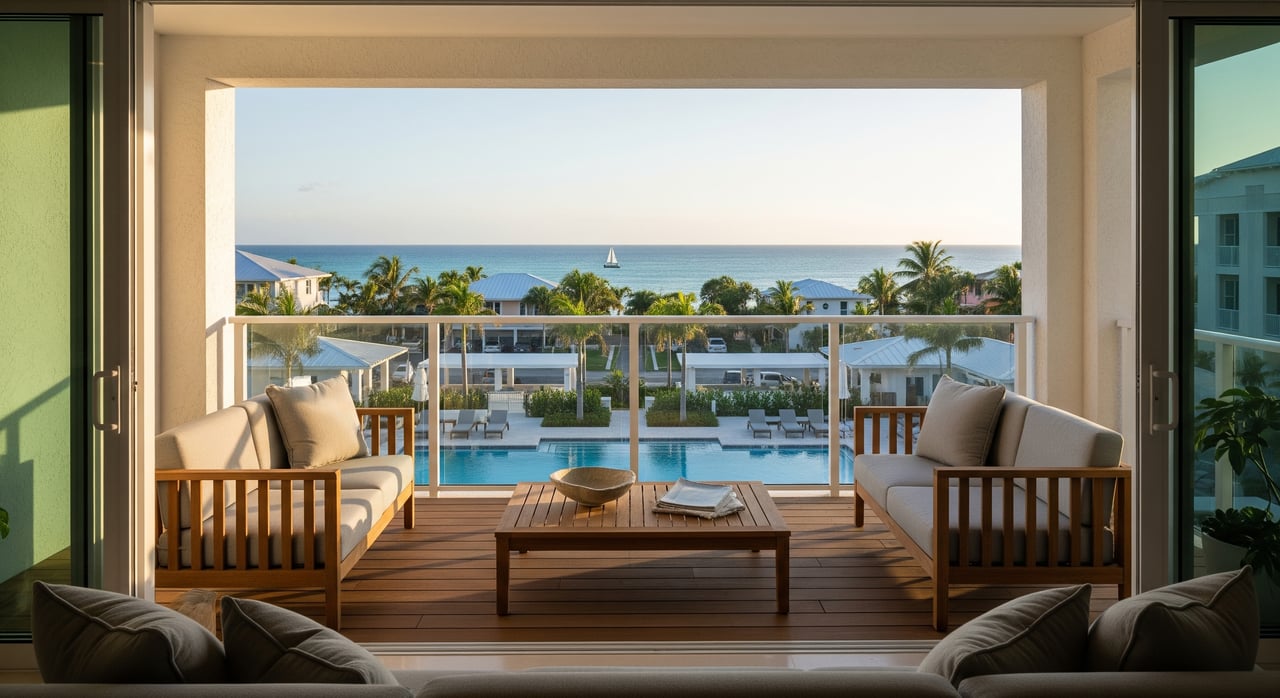
Condo buildings can offer shared docks, deeded slips, or access to nearby marina leasing. This can be a lower-maintenance way to live near your boat. Review the association’s rules closely if you plan to rent seasonally or operate a charter.
What to review:
- Dock access rules, slip ownership, and transferability
- Short-term rental policies and minimum lease terms
- Assessments and reserves for waterfront structures
Single-family homes
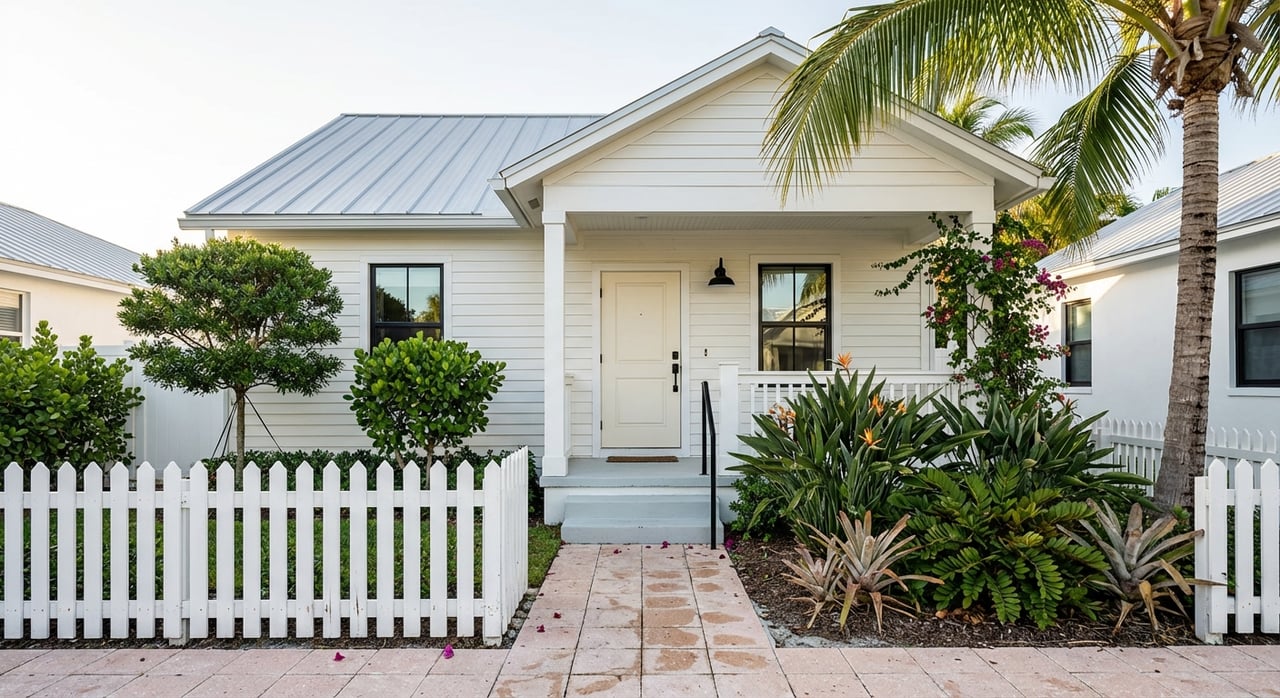
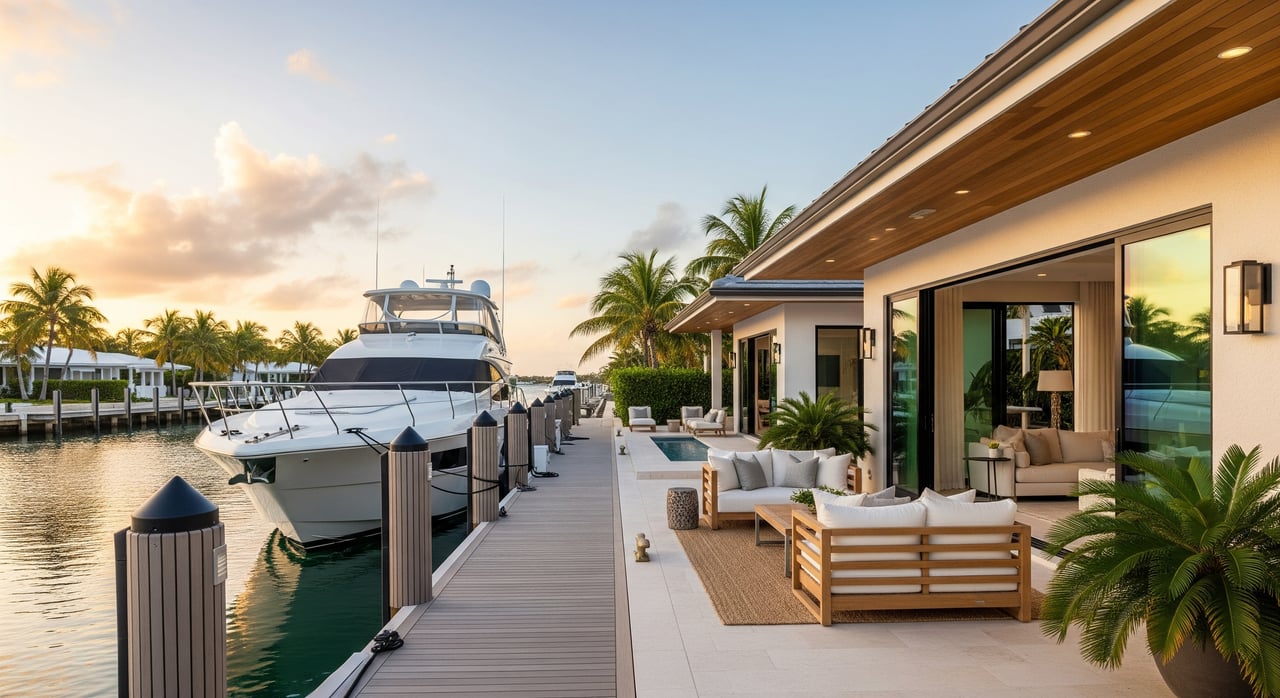
Island cottages and newer builds appear throughout Stock Island. Homes with private docks are especially prized, but they come with added diligence.
What to review:
- Dock permits, seawall condition, and piling integrity
- Approach depth at low tide and canal or basin access
- Elevation certificates and insurance quotes
Lifestyle benefits vs. realities
Living by the marina shortens your launch time and makes same-day prep and return easy. The local scene includes fishing charters and waterfront dining, which many owners love. On the flip side, you should expect seasonal peaks in boat traffic, more activity around charter operations, and tighter parking in some areas.
Rules, insurance, and hurricane prep
Coastal properties in the Keys require a bit more due diligence. Doing this work up front protects your time and budget.
Zoning, permits, and dock rights
Clarify whether your slip is deeded or leased and how access is recorded. Shoreline structures are regulated, so confirm that existing docks and lifts have permits.
What to verify:
- Deed language for riparian rights and any recorded easements
- Lease documents for slips and ramps, including term and costs
- Permit history and restrictions on future modifications
Flood risk, wind, and insurance
Much of the Keys sits in AE or VE flood zones. Windstorm standards and hurricane deductibles can affect your total cost to own. You’ll want current quotes tied to the property’s elevation and construction details.
What to verify:
- FEMA flood zone and a current elevation certificate
- Homeowners, flood, and boat insurance quotes and deductibles
- Any past claims and building code compliance
Environmental and boating rules
The Florida Keys National Marine Sanctuary and local ordinances shape anchoring, mooring, and discharge rules. Marinas often have environmental certifications and pump-out requirements.
What to verify:
- Local mooring and anchoring rules for your intended use
- Pump-out compliance requirements for liveaboards
- Marina environmental policies you must follow
Hurricane plans and procedures
Most marinas maintain hurricane plans. Some require specific securement steps or haul-outs. Know your options and responsibilities long before a storm watch.
What to verify:
- Marina hurricane plan and timelines
- Haul-out availability, fees, and reservation policies
- On-site tie-down options, chafe gear standards, and staff support
Utilities and shore power
Reliable shore power, clean water, and dependable pump-outs are key for both weekenders and liveaboards. Backup systems vary by property and association.
What to verify:
- Shore power amperage, pedestals, and breaker condition
- Water and sewer connections, or septic details where applicable
- Trash collection schedules and any backup generator policies
A practical buyer checklist
Use this quick list to organize your due diligence before you write an offer:
- Marina rules and the slip lease or deed (plus any transfer fees)
- Recorded easements for dock and ramp access
- FEMA flood zone and a current elevation certificate
- Insurance quotes for home, flood, windstorm, and boat
- HOA or condo documents covering slip rights, storage, rentals, and charters
- Recent inspections for docks, pilings, lifts, and seawalls
- Marina hurricane plan and any recent storm-damage history
- Lead times and capacity for nearby haul-outs and repairs
Stock Island vs. mainland marinas
If you are comparing the Lower Keys to large mainland facilities, here are the main contrasts you’ll notice.
- Access to water: Stock Island often means a shorter run to reefs and offshore grounds, with easy access to Key West. Mainland marinas may require longer transits to reach similar fishing.
- Scale of services: The Keys offer full-service trades, but haul-out capacity and dry-stack space can be tighter than in big mainland yards. Planning and reservations matter more during high season.
- Lifestyle feel: Stock Island blends residential life with active charter and marine businesses. Expect more working-waterfront energy and seasonal activity compared with quieter suburban settings.
How to tour and test the fit
A few focused visits can tell you a lot about daily life around a marina. Watch the flow, talk with staff, and verify the details that matter to your boating.
- Visit multiple marinas at peak and off-peak hours to gauge noise and congestion.
- Ask for slip agreements, HOA rules, and recorded easements before you offer.
- Request elevation certificates, storm-history notes, and the written hurricane plan.
- Line up insurance quotes and a marine survey for any dock or lift included.
- Check approach depths on charts and confirm low-tide depths with the marina.
Work with a guide who knows boat life
Choosing the right slip and the right home go hand in hand in the Keys. You want a local advocate who understands flood zones, dock permits, and the rhythm of marina neighborhoods. With a hospitality-first approach and practical marine experience, you can focus on the lifestyle while staying on top of the details.
If you’re ready to explore marina living on Stock Island, reach out to Jamie Lynne Walker for personalized guidance and a calm, step-by-step process.
FAQs
What slip details should I confirm before committing?
- Verify length, beam, depth at low tide, shore power amperage, water, lighting, security, and whether the slip is deeded, assigned, or operator-controlled.
Are liveaboards allowed in Stock Island marinas?
- Policies vary by marina and HOA; ask about liveaboard allowances, required permits, pump-out compliance, and any added fees or registrations.
How does flood zoning affect costs in the Lower Keys?
- Many properties are in AE or VE zones, so review elevation certificates and obtain current quotes for homeowners, flood, and windstorm insurance.
What should my hurricane plan include for a marina slip?
- Know the marina’s storm plan, securement steps, haul-out options and fees, and timing for moving or securing your vessel well before a watch is issued.
How seasonal is slip availability around Stock Island?
- Demand increases during high season and special events; plan early, confirm reservation systems, and ask about resident vs. transient slip priority.