Are HOA fees in Key West a mystery to you? You are not alone. Between hurricanes, salt air, and waterfront maintenance, condo costs in the Keys can feel complex. In this guide, you will learn what fees typically cover, how to review budgets and reserves, the questions to ask before you make an offer, and the red flags to avoid. Let’s dive in.
What HOA fees usually cover
HOA and condo association fees pay for daily services and long-term upkeep. Knowing which is which helps you judge value and risk.
Day-to-day services
- Common-area maintenance like landscaping, cleaning, painting, parking areas, hallways, and elevators
- Utilities paid by the association such as water, sewer, trash, and sometimes basic cable or internet
- Management, accounting, and legal services
- Security, access gates, and amenity care for pools, spas, fitness rooms, and club spaces
- Pest control and moisture or mold programs that are important in humid climates
- Lawn, tree, and storm debris removal after weather events
Long-term capital needs
- Reserve fund contributions for big-ticket items: roofs, exterior paint, elevator modernizations, and mechanical systems
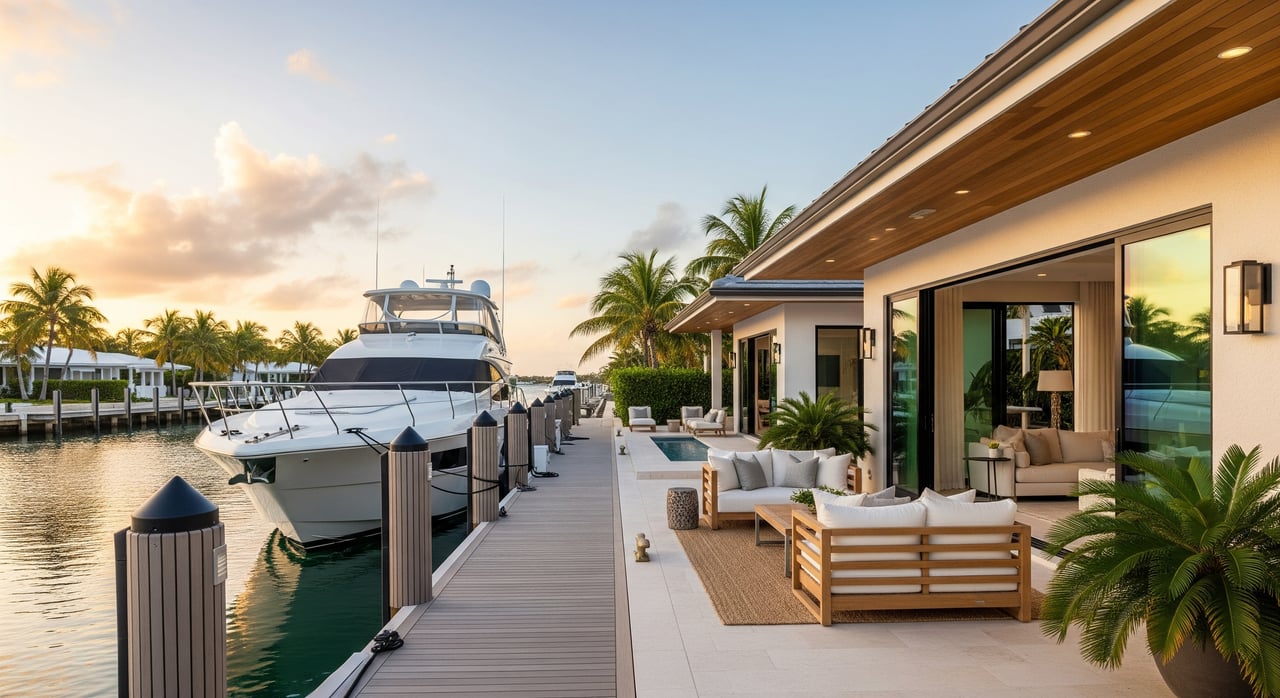
- Coastal components like seawalls, docks, pilings, and boat lifts if the association is responsible
Insurance basics
- The association’s master policy usually covers the building structure and common elements
- You typically need an HO-6 condo policy for your unit’s interior and personal property
- Ask about loss assessment coverage in case the association levies a special assessment to cover a large deductible or claim
Why Key West fees can be higher
Key West’s setting creates unique costs. Understanding these local drivers helps you compare buildings wisely.
Hurricane and wind exposure
Storm risk can raise insurance premiums and deductibles for association policies. After active seasons, repairs and deductible assessments can impact owners. Buildings may require hurricane-rated windows or shutters, which affects reserves and project planning.
Salt air and marine corrosion
Coastal structures face faster wear. Seawalls, docks, pilings, railings, metal fasteners, and exterior systems need more frequent maintenance and replacement. Marine permitting and specialized contractors in Monroe County can increase costs.
Old Town and older construction
Historic and older buildings in Old Town may have higher reserve needs. Structural elements, roofs, electrical, and exterior finishes can require more frequent engineering review and repairs.
Short-term rental wear and management
Buildings with many vacation rentals can see more wear, more intensive management, and potentially higher liability and insurance complexity. Governance around rentals can also lead to policy changes or special project costs.
How to read budgets and reserves
When you review association documents, separate ongoing operating costs from long-term reserves. Both matter to your monthly budget and risk.
Operating budget: what to scan
- Income sources: dues, late fees, interest, and any association rental income
- Expenses: management, utilities, janitorial, landscaping, insurance premiums, taxes on common elements, legal and accounting
- Recurring vs one-time items: identify special or unusual expenses that may return
- Trends over 12 to 24 months: are dues rising steadily or jumping in response to issues
Reserve study: key checkpoints
- Components listed: roofs, exterior paint, elevators, HVAC for common areas, plus seawalls and docks for waterfront buildings
- Remaining useful life and replacement costs for each component
- Recommended annual contributions and the projected reserve cash flow
- Funding status: fully funded, partially funded, or underfunded relative to needs
- Date of the study and updates. Older studies can understate current costs, especially after storms
- Assumptions used for inflation and life cycles of coastal components
Insurance and deductible exposure
- Confirm property and liability coverage, wind or hurricane coverage, and deductible amounts
- Verify whether the association carries flood insurance for common elements
- Ask how deductibles are handled. Many associations assess deductibles to owners after claims. Your HO-6 should include loss assessment coverage
Due-diligence checklist before you offer
Request these documents early. They reveal both costs and risk.
- Current year operating budget
- Most recent reserve study or funding plan and any updates
- Financial statements for the past 12 to 24 months
- Board and homeowners meeting minutes for the past 12 to 24 months
- Insurance certificate and policy summary, including deductibles and covered perils
- Declaration, bylaws, rules and regulations, and rental or leasing policy
- Estoppel letter showing dues, unpaid fees, and assessments
- Service contracts for management, landscaping, pest control, and any marina or dock services
- Engineering or inspection reports and any litigation disclosures
Smart questions to ask
- What is the current monthly fee and what does it include (water, trash, cable, internet, elevator, dock)?
- Is the association current on its bills, and what is the reserve cash balance today?
- Can I review the most recent reserve study and its date?
- Are reserve contributions being made as recommended?
- Have there been special assessments in the last five years? Amounts, reasons, and status?
- What capital projects are approved or planned, with expected cost and timing?
- Are there any ongoing or threatened lawsuits or insurance claims?
- What are the insurance deductibles for wind and flood, and how are they assessed to owners?
- Does the association carry flood insurance? If not, who must carry coverage?
- Who is responsible for seawalls, docks, pilings, and boat lifts?
- What percentage of units are owner-occupied vs rented, and what are the rental rules and minimums?
- Are there pending inspections or building recertifications that could trigger work?
- What is the storm preparedness and debris removal plan? Any storm reserve?
- What utilities are not covered by the HOA and what are typical monthly costs?
- Are there any recent engineering reports or noted deficiencies for roof, electrical, structural, or moisture control?
Verify with third parties
- Get independent quotes for HO-6, wind, and flood insurance for the unit
- Check with the City of Key West or Monroe County building departments for open permits or code issues
- Confirm estoppel details and transfer fees with the closing agent or title company
Red flags and how to protect yourself
Spot issues early and build protections into your offer.
Common red flags
- No current reserve study or very low reserve balance despite large upcoming needs like a roof or seawall
- Frequent or large special assessments in recent years
- High delinquency rate among owners that strains cash flow
- Large or rising insurance deductibles that may be assessed after storms
- Ongoing litigation with contractors or outstanding claims
- High-risk flood zone without adequate association flood coverage
- Heavy short-term rental mix that increases wear and insurance complexity
- Deferred maintenance, corrosion, or roof leaks that suggest underestimated costs
Buyer protections
- Use contingencies for document review, inspection, and financing tied to HOA financials
- Require an estoppel letter that confirms dues, assessments, and balances before closing
- Ask the seller to pay current or upcoming special assessments
- Get insurance quotes early for accurate total cost of ownership
- Consider a third-party review by a structural or marine engineer for older or waterfront buildings
- Consult a Florida condo attorney for document and contract review, especially when marine structures are involved
Negotiation strategies
- Request a price reduction to reflect higher ongoing HOA costs or assessment risk
- Ask the seller to escrow funds for a near-term capital project identified in minutes or the reserve study
- Negotiate a seller credit or warranty for specific repairs noted in recent engineering reports
Local resources and next steps
When you are serious about a Key West condo, pair your review of the documents with guidance from local pros. Useful contacts include a Florida condominium attorney, a Keys-based insurance broker for wind and flood, an inspector or engineer experienced with coastal buildings, and the City of Key West or Monroe County building departments for permits and code history.
If you would like a calm, step-by-step process and a local partner who understands docks, flood zones, and marine maintenance, reach out to Jamie Lynne Walker. Start your Keys journey. Let’s find your home.
FAQs
What do Key West condo HOA fees usually cover?
- Common-area upkeep, some utilities, insurance for the building’s structure, management, amenities, pest control, and reserve contributions for major repairs.
Why are condo fees often higher in the Keys?
- Hurricane risk, salt-air corrosion, waterfront structures like seawalls and docks, marine permitting, and older buildings can all raise costs.
What is a reserve study and why does it matter?
- It estimates the life and replacement cost of major components and sets recommended reserve contributions, which helps prevent surprise special assessments.
Do associations carry flood insurance in Key West?
- Some do and some do not. Verify whether the association insures common elements for flood and secure your own flood policy as needed.
Who pays for seawalls and docks in a condo community?
- Responsibility depends on the declaration. Confirm whether the association or individual owners maintain seawalls, docks, pilings, and lifts.
How can I reduce the risk of special assessments?
- Review the reserve study, check reserve balances and minutes, verify insurance deductibles, and use contract contingencies to protect your purchase.