Dreaming about a home near Key West, but craving more privacy and structure than a typical island neighborhood offers? Shark Key stands out for exactly that reason. If you are considering buying here, it helps to understand not just the homes, but also the rules, design standards, and day-to-day expectations that come with this gated Lower Keys community. Let’s dive in.
Shark Key at a Glance
Shark Key is a private gated island community in Monroe County, located near US-1 mile marker 11.3 in the Lower Keys and just minutes from Key West. According to the community owners’ guide, the island includes 75 building lots, with about half developed. That limited supply is part of what gives the community its distinct feel.
This is not an open-access neighborhood where people come and go freely. Shark Key is better understood as a covenant-controlled enclave with restricted entry and shared amenities reserved for owners and their guests. If privacy and a more managed residential setting matter to you, that can be a major draw.
What Makes Shark Key Different
Many buyers are drawn to Shark Key because it offers a private residential setting while keeping Key West close by for daily conveniences and recreation. Key West serves as the area’s nearby hub for dining, parks, shopping, arts and culture, boating, fishing, and water-based activities. That combination can appeal to second-home buyers, relocations, and anyone who wants a more tucked-away home base without feeling isolated.
What really sets Shark Key apart is its emphasis on standards and consistency. The community has clear expectations around appearance, access, common-area use, and property improvements. For some buyers, that structure feels reassuring. For others, it may feel more restrictive than a typical neighborhood, so it is important to know your comfort level before you buy.
What Shark Key Homes Tend to Be Like
Homes in Shark Key are shaped by detailed architectural standards, which helps create a more cohesive look across the island. The Architectural Review Board reviews new construction and major exterior changes, and owners must submit detailed plans before work begins. That process can include site plans, floor plans, elevations, landscaping plans, contractor insurance, deposits, and final inspections.
The community guidelines also establish a strong baseline for home design. Minimum size requirements are 2,400 square feet for Island Lots and 2,800 square feet for Estate Lots. Approved roof materials include clay tile and concrete tile, muted exterior colors are expected, and asphalt shingle roofs are not allowed.
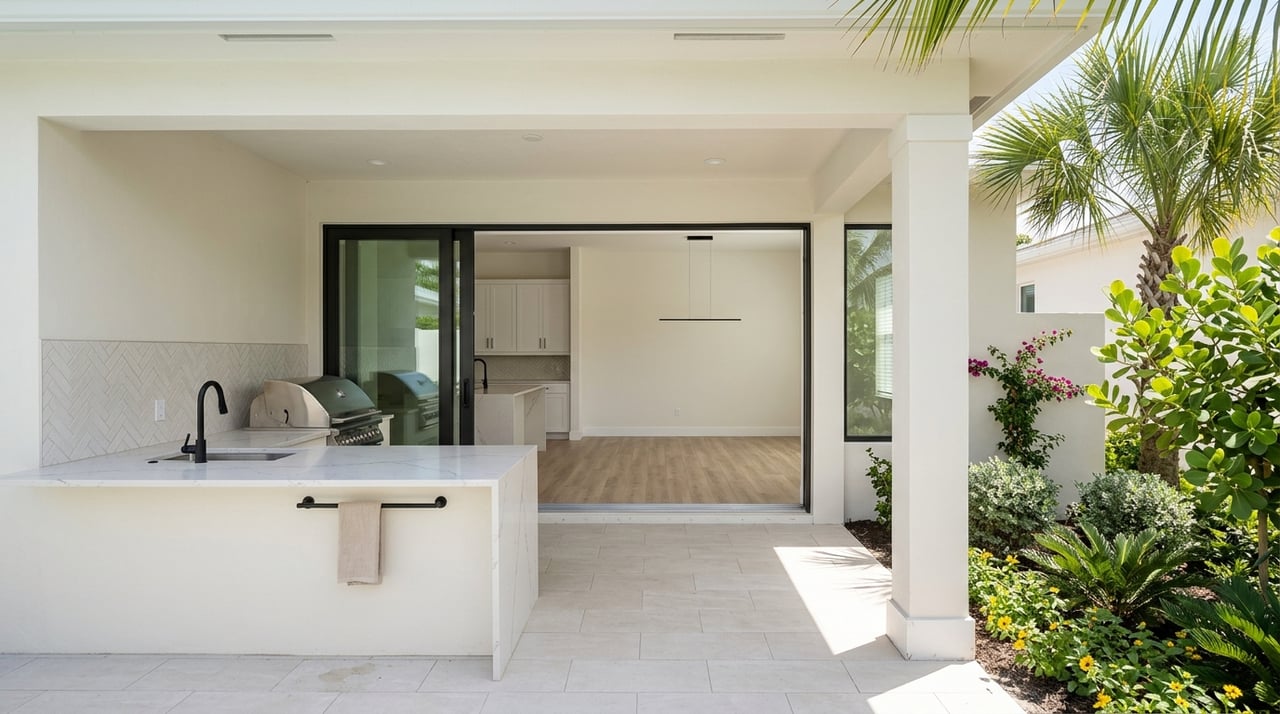
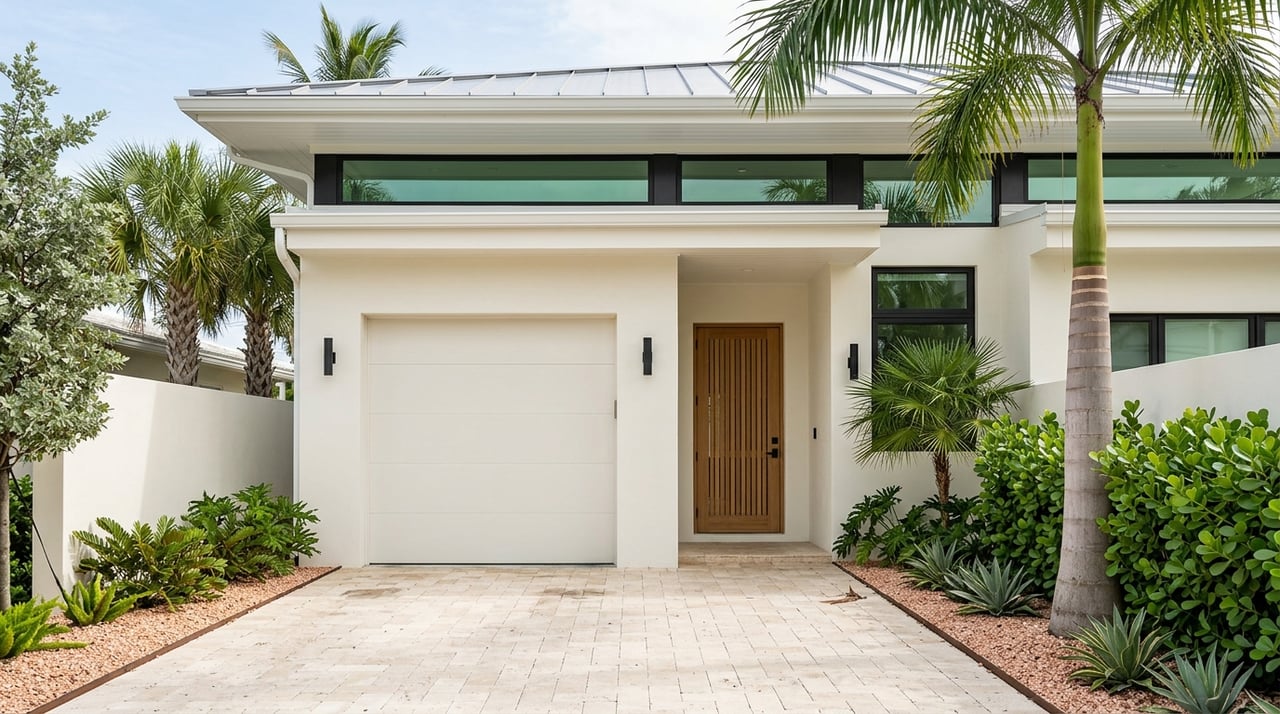
You will also see practical design expectations that matter in daily life. Service equipment must be screened, front-facing garages are expected to be hidden, and certain visual elements are tightly controlled. In short, homes here often reflect a polished, intentional style rather than a mix of unrelated designs.
Common Features Buyers May See
Based on recent Monroe County permit records, buyers in Shark Key may come across homes with features such as:
- Pile-supported or concrete construction
- Impact-rated windows and doors
- Pools with heaters or chillers
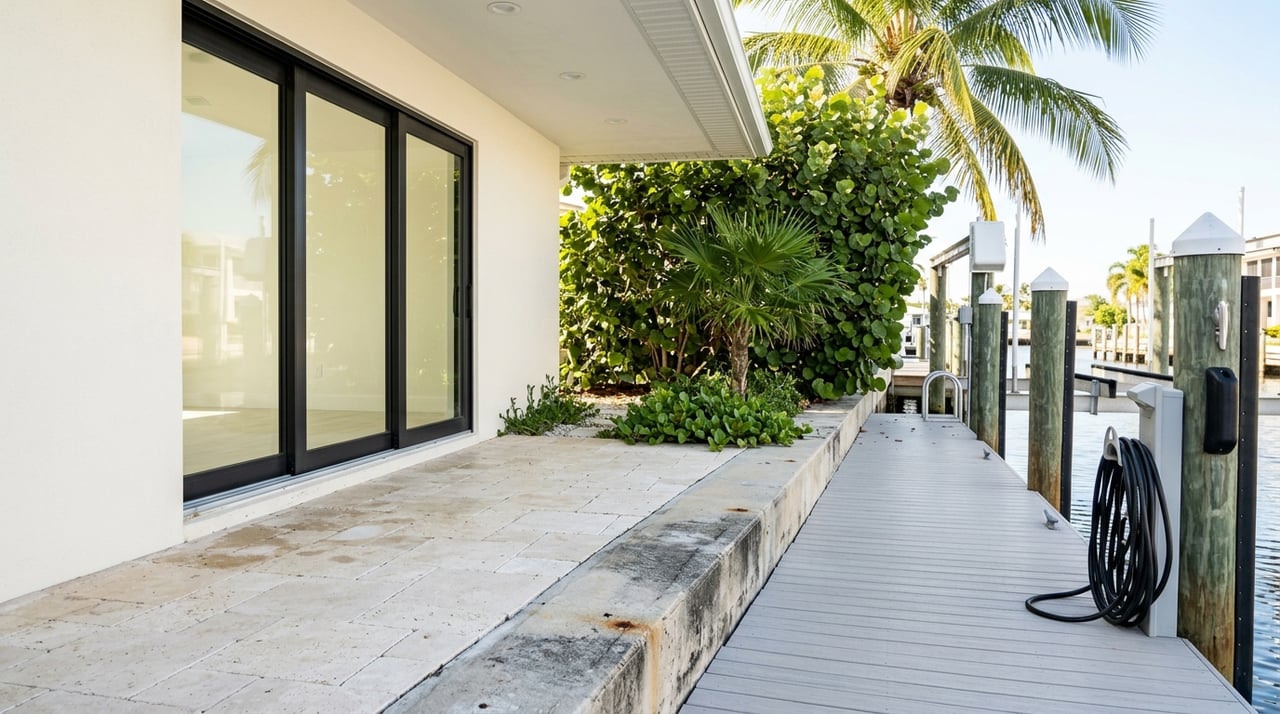
- Docks or swim platforms
- Buried propane tanks
- Generators
- Cisterns
- Solar panels
- Gray-water reuse systems
That does not mean every home includes all of these features. It does suggest, though, that Shark Key properties are often shaped by coastal conditions, storm-resilient construction, and high-end upgrades.
What HOA-Style Living Means Here
If you are buying in Shark Key, you are not just buying a house. You are also buying into a managed community with rules, assessments, and review procedures. The community is overseen by a volunteer board and professionally managed through a Key West management company.
That structure affects everyday ownership. The board handles financial responsibilities, common-area maintenance, and architectural guidance. The owners’ guide also makes it clear that rule enforcement is active, with written notice, a cure period, and possible HOA action if a violation is not resolved.
Rules Buyers Should Expect
Shark Key has day-to-day standards that are common in curated communities, but still important to understand before closing. These include expectations that:
- Trash and debris containers stay hidden
- Exterior equipment be screened from view
- Boats, RVs, and trucks be screened from public view
- Yards remain neat and maintained
- Artificial vegetation is not allowed
- Fence and pool work receive Architectural Review Board approval
If you value a neat, consistent community appearance, these rules may feel like a benefit. If you prefer more flexibility with exterior use and storage, this is something to weigh carefully.
Assessments and Fees to Verify
The owners’ guide states that assessments are due quarterly on January 1, April 1, July 1, and October 1. Late accounts incur a 10% fee, and unpaid balances may be referred to an attorney and liened. The guide also notes annual mangrove-trimming assessments and maintenance fees for vacant lots.
Before you make an offer, it is smart to confirm the current financial picture for the specific property you are considering. Community costs can change over time, and parcel-specific charges may matter just as much as the base assessments.
Shared Amenities Come With Structure
Shark Key offers amenities that add to the lifestyle appeal, but they are not casual public facilities. The owners’ guide lists a member clubhouse, private beach, tennis courts, and a basketball court. Access and use are restricted to owners and their guests.
The clubhouse is available through a reservation and deposit process, and the member signing the agreement must be present during use. Tennis courts and the basketball hoop are first come, first served. The lagoon beach is available for swimming and snorkeling, but there is no lifeguard, and fishing and scuba diving are not allowed in the lagoons.
Hurricane Planning and Keys Logistics Matter
Because Shark Key sits in the Lower Keys, buyers should think beyond the house itself and consider island logistics. Monroe County emergency planning materials place the community at mile marker 11.3, which is a good reminder that hurricane planning and evacuation realities are part of ownership in this area.
This does not make Shark Key unusual for the Keys. It simply means your due diligence should include practical conversations about storm preparation, access, and property systems. Features like impact windows, generators, cisterns, and resilient construction may carry extra value depending on the home.
Why Due Diligence Matters in Shark Key
In a community like Shark Key, buyers need more than a standard home tour and a quick look at the listing sheet. The best purchase decisions usually come from understanding both the home and the community framework around it. That is especially true if you are considering a vacant lot, a major remodel, or a property with dockage.
The research points to several items buyers should verify before writing an offer. These details can affect how you use the property, what future work may be possible, and what costs may come with ownership.
Key Items to Confirm Before You Buy
- Current HOA estoppel
- Current assessment amounts
- Whether the parcel includes docks, seawalls, or planned improvements
- Whether the property may qualify for any vacation-rental use under Monroe County rules
- Whether a vacant lot or rebuild scenario requires added review related to county growth controls
Monroe County notes that many areas in unincorporated Monroe County do not allow rentals under 28 days. Where rentals are allowed, an annual permit and manager license are required. The county also uses ROGO and NROGO growth controls tied in part to hurricane evacuation capacity, which makes lot and redevelopment questions worth close review.
Is Shark Key the Right Fit for You?
Shark Key can be an excellent match if you want a private, gated setting with limited housing supply, strong exterior standards, and quick access to Key West. It may also appeal to buyers who appreciate homes with storm-conscious construction and a polished community appearance. For the right buyer, that balance of privacy, structure, and location is exactly the point.
At the same time, this community is not about total flexibility. The rules, approval processes, and shared expectations are a real part of ownership. If you go in with clear eyes and solid local guidance, you can decide whether Shark Key fits your goals and lifestyle.
If you are thinking about buying in Shark Key or anywhere in the Lower Keys, working with someone who understands gated communities, waterfront details, and local due diligence can make the process much smoother. Jamie Lynne Walker brings a warm, practical approach to helping you evaluate homes, community rules, and the lifestyle fit that matters most.
FAQs
What should buyers know about Shark Key community access?
- Shark Key is a private gated island community where access and use of amenities are restricted to owners and their guests, and gate codes are not meant to be shared.
What should buyers know about Shark Key HOA rules?
- Buyers should expect active rule enforcement, quarterly assessments, architectural review requirements for many improvements, and ongoing standards for screening equipment, maintaining yards, and storing certain vehicles or boats out of public view.
What should buyers know about Shark Key home design standards?
- Shark Key has detailed architectural guidelines, including minimum square footage requirements, approved roof materials, muted exterior colors, and review procedures for new construction and major exterior changes.
What should buyers know about Shark Key amenities?
- The community offers a clubhouse, private beach, tennis courts, and a basketball court, with use governed by reservation rules, owner guest policies, and other community guidelines.
What should buyers know about Shark Key vacation rental rules?
- Buyers should verify parcel-specific rental eligibility with Monroe County, because many areas in unincorporated Monroe County do not allow rentals under 28 days, and allowed rentals require permits and licensing.
What should buyers know about Shark Key lot or rebuild potential?
- Buyers considering vacant lots, redevelopment, or major improvements should closely review county growth controls, HOA requirements, and parcel-specific conditions before moving forward.